


Exchange & DEX engineering
Custom CEX and DEX platforms with matching engines, multi-chain support and liquidity architecture built to survive real volume.
Industries · Web3 & Crypto
A decade-plus building and launching Web3 products end to end. Exchanges, wallets, RWAs, DeFi, tokens — and the PR, influencer and community engine that launches them. Engineering and go-to-market as one team, not two vendors.
Corum8 builds and launches Web3 products — exchanges, wallets, DeFi protocols, RWA platforms and tokens — under one roof. The same team that ships audited smart contracts also runs the PR, influencer, community and exchange-listing programs that turn a working product into a funded, liquid, listed one. 1,100+ projects delivered since 2016, including work with Binance, KuCoin, OKX, WazirX, MetaMask and TRON.
What's included
Custom CEX and DEX platforms with matching engines, multi-chain support and liquidity architecture built to survive real volume.
MPC, custodial and non-custodial wallet systems with the key-management discipline institutional and retail users both need.
Tokenomics modeling, audited contracts and vesting infrastructure designed to hold up past the first unlock.
Lending markets, staking systems and real-world-asset tokenization platforms with two audits minimum before mainnet.
Press coverage across 10,000+ global publications, including Forbes, Bloomberg, CoinDesk and CoinTelegraph.
25,000+ vetted creators across 15+ verticals, with affiliate tracking that ties reach to actual conversion.
Discord, Telegram and Farcaster programs run by people who understand crypto-native community, not generic moderators.
CEX listing coordination and market-making relationships that put real liquidity behind a token on day one.
Is this you?
You don't need all of them. One is usually enough to justify the call.
Contracts are audited and the product works, but there's no PR, community or listing plan behind the launch date.
You have a TGE date and need PR, influencer reach, community and listing coordination working from the same plan.
Two vendors, two timelines, and nobody owns the handoff between what ships and how it launches.
Capital is in the bank and the market needs to hear about it before the story goes stale.
An exchange wants to talk terms and you need a market-maker relationship and liquidity plan to match.
There are rules the product and the content both have to work inside, and neither was designed with them in mind.
Sectors
The mechanics differ, the team that ships them doesn't.

Trading engines, order books and multi-chain support built for real volume.
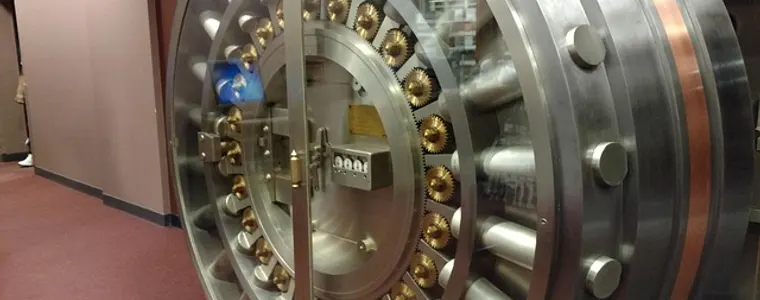
MPC and self-custody systems for retail and institutional users alike.

Lending, staking and yield protocols engineered against adversarial scenarios.

Real-world asset platforms bridging traditional value onto public chains.

Tokenomics, contracts and distribution built for the second year, not the first week.

On-chain game economies and NFT platforms with real utility design.

Custom chains and rollups for teams that need sovereign infrastructure.

Execution infrastructure and liquidity relationships that keep a market functioning.
Process
Product roadmap and launch calendar get built in the same room — not handed off between separate vendors later.
Contracts, infrastructure and product surfaces engineered and audited against the plan, not against a guess.
PR, influencer activation, community and listing coordination fire together around the ship date.
Liquidity monitoring, community management and content cadence continue past the launch-week spike.
Case studies
An exchange launch and a token TGE, each shipped with engineering and go-to-market on one calendar.
A crypto-native team building a new spot exchange needed the trading engine, custody architecture and onboarding surfaces built in parallel with the launch PR and market-maker relationships. Shipping engineering and go-to-market against one calendar meant the exchange opened with liquidity, press coverage and a market-maker agreement already in place — not scrambling for any of the three post-launch.
A gaming-token project needed press coverage, influencer activation and exchange-listing coordination to land in the same week as its token generation event. A single campaign calendar spanning PR outreach, a 40-creator influencer wave and listing-exchange coordination meant the token launched with tier-1 press, real community size and day-one trading depth.
Why Corum8
The engineers who ship the contract and the marketers who launch it sit in the same room, not two different vendors.
Active in Web3 since 2016 — through the ICO era, DeFi summer, the 2022 collapse, and the 2025-2026 institutional arrival.
Work with Binance, KuCoin, OKX, WazirX, MetaMask and TRON, alongside earlier-stage teams building their first product.
Vetted crypto-native creators across 15+ verticals — not a generic influencer marketplace.
Coverage placement across Forbes, Bloomberg, CoinDesk, CoinTelegraph and the outlets crypto audiences actually read.
Dubai, the United States and India — inside the talent and market geographies that matter for this industry.
What drives scope
The decisions that shape cost and timeline happen before any code or campaign starts.
A token launch is lighter than a DeFi protocol; a DeFi protocol is lighter than a full exchange — each layer compounds engineering and audit scope.
A single-market product is the lightest build. Operating across several markets adds engineering surface and a much heavier content-review load.
A quiet organic launch is one scope. A coordinated TGE with tier-1 press, influencer activation and CEX listings is a materially bigger one.
One audit is baseline for low-TVL products. Two audits plus formal verification is standard once real capital is at stake.
Building a community from zero costs differently than activating and growing one that already exists.
A DEX-only launch is lightest. Coordinated CEX listings with market-maker commitments add real cost and timing discipline.
FAQ
A serious Web3 agency builds the product — exchange, wallet, DeFi protocol, token — and runs the PR, influencer, community and listing programs that launch it, ideally as one coordinated team. Most agencies specialize in either engineering or marketing; Corum8 runs both under one roof so the launch date isn't a handoff point between two vendors with different incentives.
Cost is driven by product category, market reach, launch ambition, audit depth, community stage and listing ambition — not a single flat industry rate. A token launch with organic community growth is a different budget than a full exchange build with coordinated tier-1 PR and CEX listing negotiations.
No — we work with crypto-native founders and with traditional-finance and enterprise teams entering Web3 for the first time. The engineering requirements differ by starting point, but the discipline of building the product and the go-to-market together applies either way.
Yes — that's the core of the practice. The same engagement covers contract architecture and audit coordination alongside PR, influencer activation, community building and exchange-listing strategy, planned against one calendar instead of stitched together after the fact.
Work spans major CEX relationships including Binance, KuCoin, OKX and WazirX, alongside Ethereum, Solana, Tron and other major L1/L2 ecosystems. Chain and venue choice depends on the product and target audience rather than a single default stack.
We build to the requirements your legal team gives us for each market, rather than applying one generic template everywhere. What they tell you shapes both the engineering (transfer restrictions, perensing-aware contracts) and the marketing (what claims and content are permissible).
Product engineering (contracts, infrastructure, audits), token or launch strategy, PR and media placement, influencer and KOL activation, community building, and exchange-listing coordination. Engagements scope to what the specific product and stage actually need — an early-stage token launch and a full exchange build carry very different scopes under the same practice.