

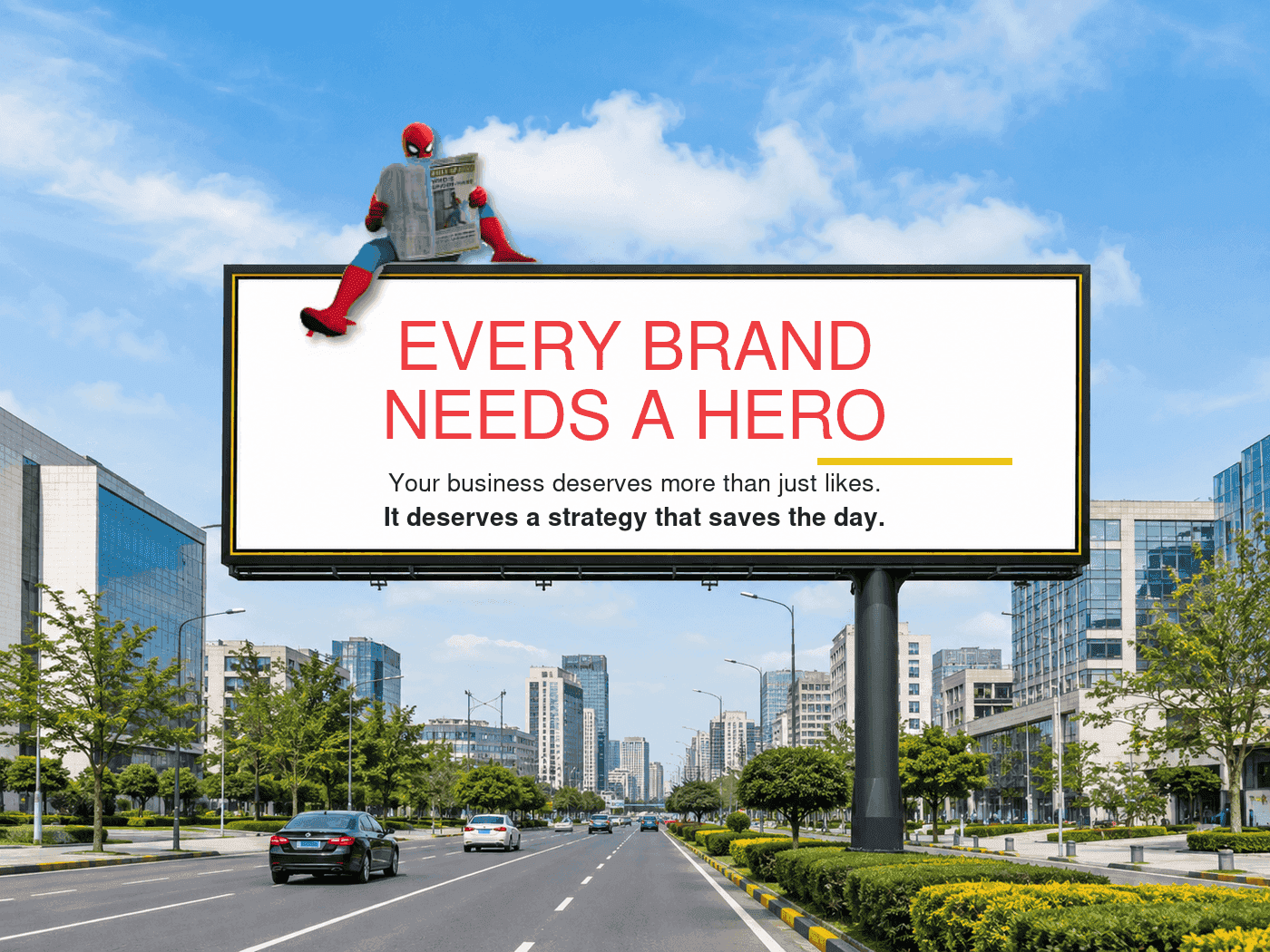
Billboard & digital-OOH placement
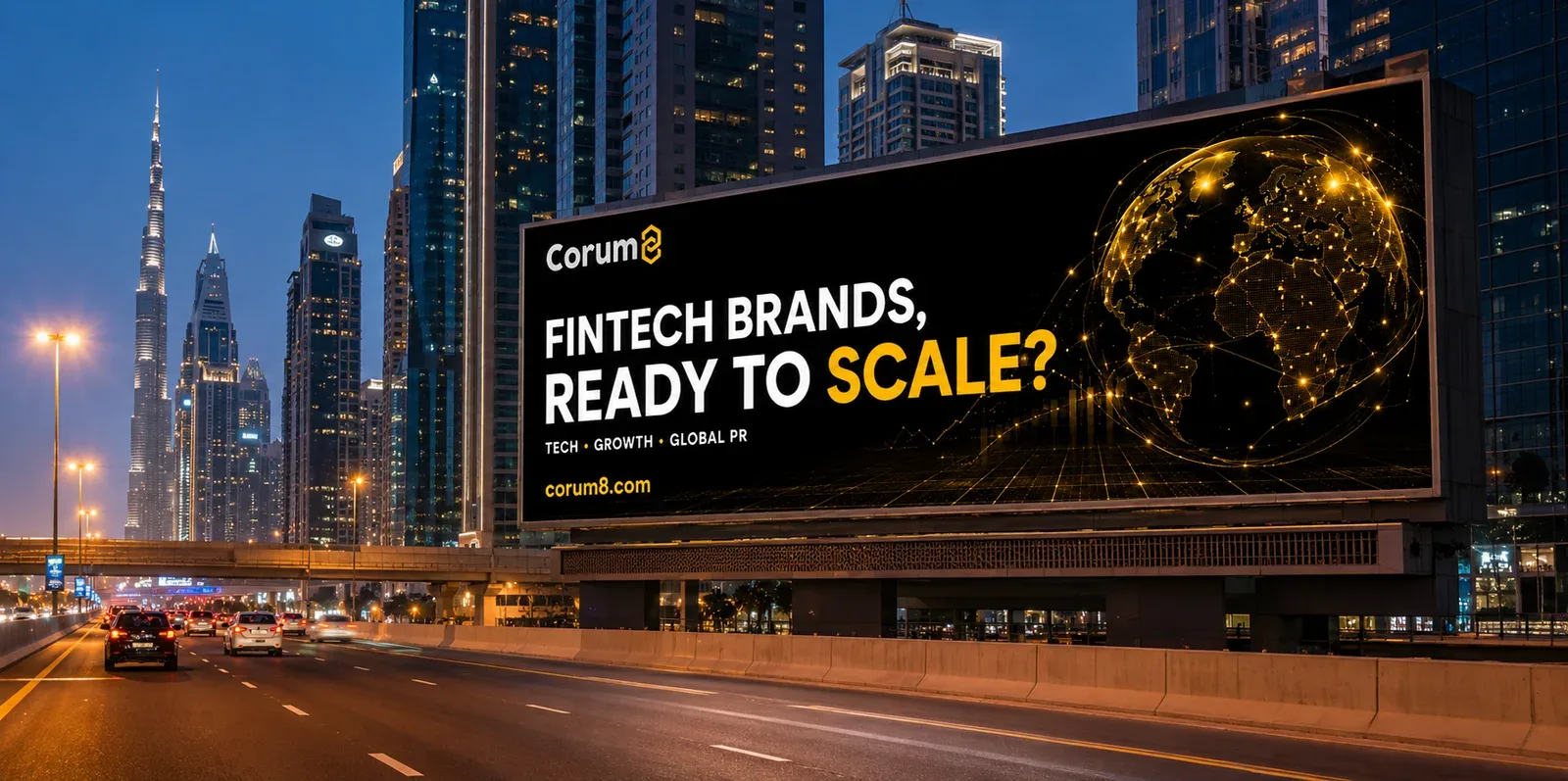
Static and programmatic digital billboards in the locations a launch actually needs visibility.
Marketing · OOH & Print
Physical presence that makes a digital-native brand feel real. Billboards, transit ads and airport media timed to launches and listings, placed across a global media network.
Corum8 plans and places out-of-home and print media campaigns — billboards, transit advertising, airport media and print placement — for Web3, fintech and startup brands that need to be visible in the physical world around token launches, exchange listings and funding announcements. Creative, media buying and placement measurement run as one coordinated campaign, not a one-off billboard buy.
What's included
Static and programmatic digital billboards in the locations a launch actually needs visibility.
Transit stations and airport terminals — the physical moments where crypto and fintech audiences travel.
Placement around major industry conferences where the exact audience physically gathers.
Trade publications and finance-adjacent print where a physical presence still carries weight.
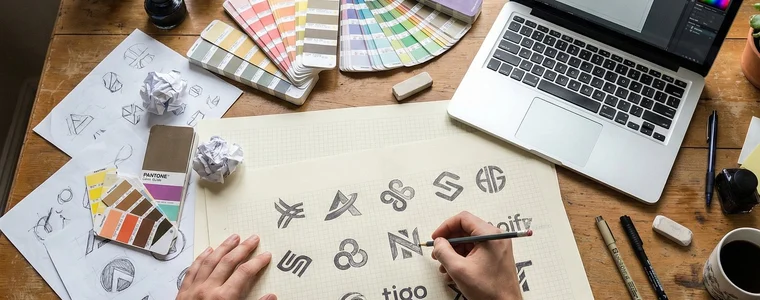
Campaign creative built specifically for physical formats, not a resized digital banner.
Direct relationships with OOH vendors across major markets to secure placement and rates.
OOH placement scheduled to land alongside PR, listing and social activation, not on its own timeline.
Foot-traffic and impression estimates tied back to the campaign, not a billboard photo and a guess.
Is this you?
You don't need all of them. One is usually enough to justify the call.
A major conference, a financial district, an airport corridor — where physical presence carries real weight.
Competitors have physical presence and yours exists only as a website and a Twitter account.
An exchange listing or funding close deserves a physical marker, not just a press release nobody notices.
Print in the right trade publication reaches decision-makers your digital ads don't.
A physical billboard still signals scale and seriousness that a digital ad alone doesn't.
Local OOH builds regional presence faster than digital alone in markets where physical media still dominates attention.
Sectors
The market differs, the placement discipline doesn't.

Billboard and transit campaigns timed to launch week.
OOH placement coordinated with a new exchange listing announcement.
Physical presence marking a raise, timed to the press moment.
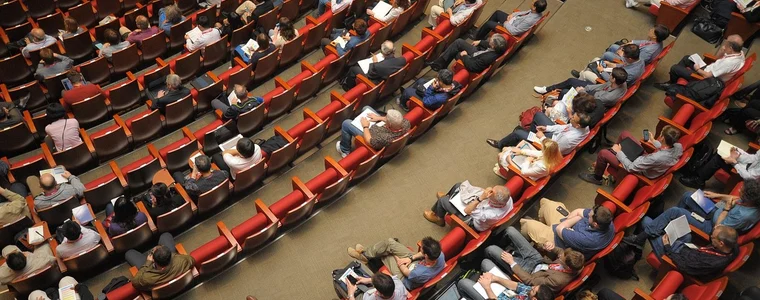
Placement around the physical venues where the industry gathers.
Trade-publication placement reaching institutional decision-makers.
Local billboard and transit presence building regional brand awareness.
High-visibility placement for consumer products entering competitive markets.
Print and OOH for enterprise announcements needing a credibility signal.
Process
Which physical moment — a launch, a conference, a listing — the campaign actually needs to mark.
Creative built for the physical format, not a digital asset resized to fit a billboard.
Media buying negotiated directly with vendors, scheduled to land alongside the rest of the campaign.
Foot-traffic and impression estimates tied back to the campaign's actual outcomes.
Case studies
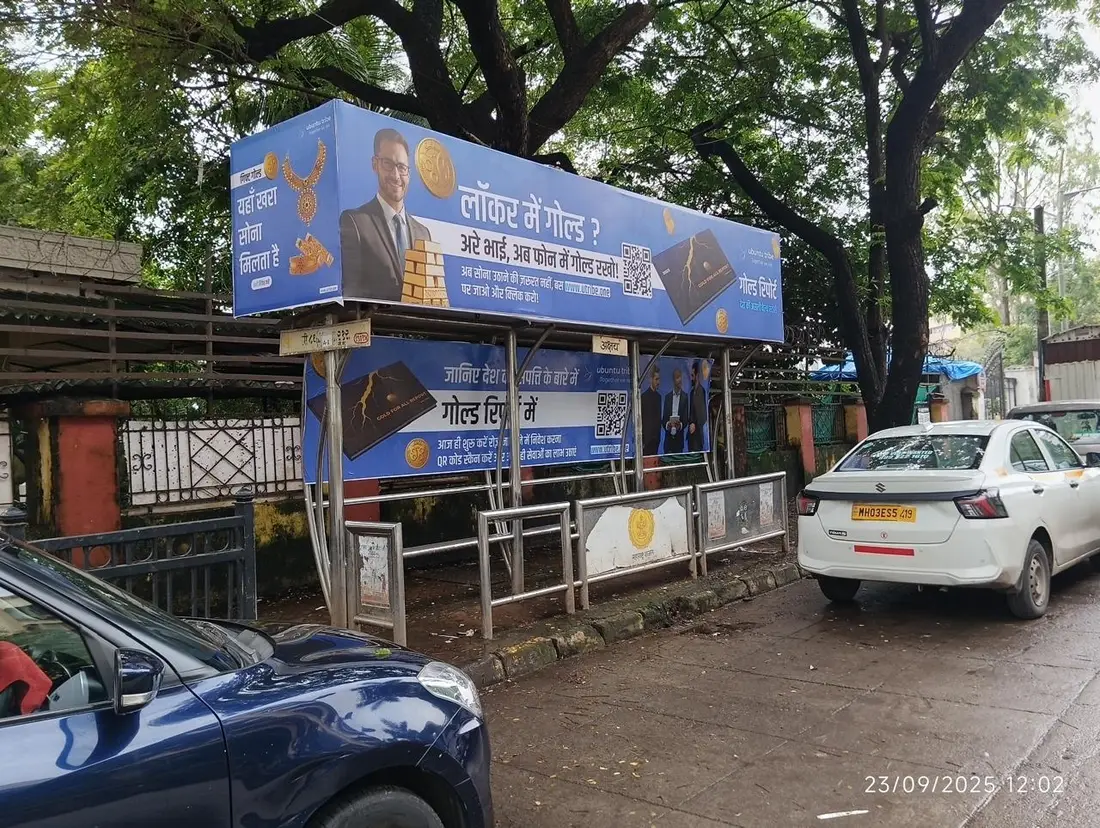
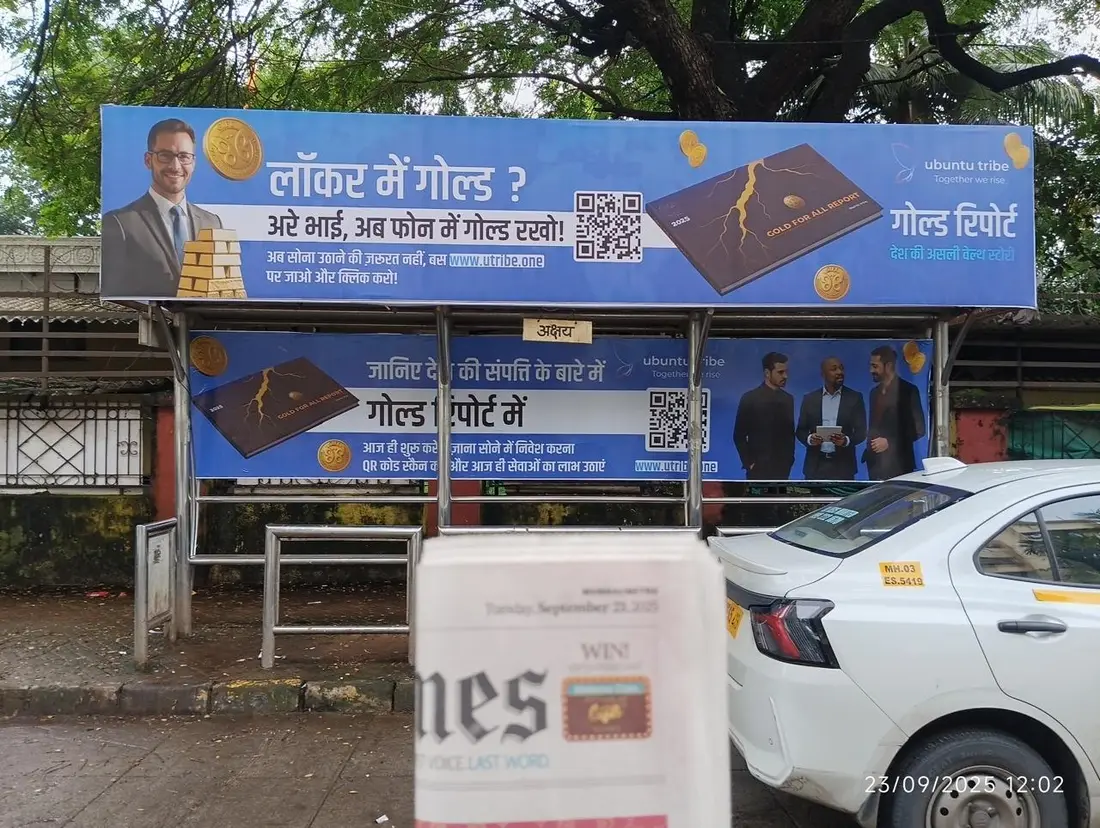
A tokenized gold launch in Mumbai timed to press coverage, and a regional market-entry push that built awareness ahead of a digital campaign.
Ubuntu Tribe, a tokenized gold platform, wanted physical visibility in Mumbai to reinforce a digital launch campaign aimed at India's financial districts. We booked billboard and transit placements across the city and timed them to land in the same week as coordinated press coverage. The creative ran in Hindi and pointed straight at the product rather than at the technology behind it. The placements reached 20M+ in physical traffic, giving the launch a presence in the streets its audience actually moves through — something press coverage on its own cannot do.
A consumer app entering a new regional market needed brand awareness before its digital campaign could be effective. A coordinated billboard and transit campaign in the target city built regional name recognition that measurably improved digital campaign performance once it launched.
Why Corum8
Media buying negotiated directly across major markets, not through a generic ad-buying middleman.
Physical-format creative production, not a resized digital banner stretched onto a billboard.
OOH timed to land alongside PR, listing and social activation instead of running on its own schedule.
Real reach into the geographic markets where crypto and fintech audiences physically gather.
Foot-traffic and impression estimates tied to actual campaign outcomes.
10+ years placing OOH and print for launches that needed to be seen, not just read about.
What drives scope
Cost is driven by geographic scope, placement premium and creative complexity.
A single-city campaign is lightest. Multi-market placement across several countries scales cost significantly.
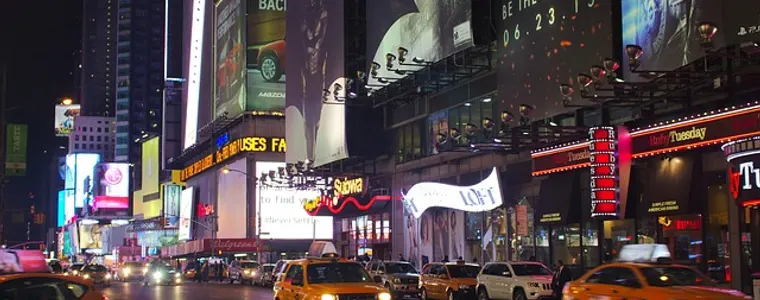
Standard billboard placement is one budget. Prime locations — Times Square, major transit hubs — cost meaningfully more.
Static billboards are simplest. Digital-OOH, transit wraps and print together require more coordinated production.
A flexible placement window is cheaper than a hard-locked launch date requiring guaranteed availability.
A single static creative is light. Multiple format-specific creative variants add production scope.
A one-week burst is different budget from a sustained multi-month presence in a target market.
FAQ
Yes — physical presence signals scale and seriousness that purely digital campaigns don't, and it reaches audiences in moments (conferences, transit, financial districts) that digital ads miss entirely. OOH works best paired with digital and PR, not as a standalone tactic, since the physical presence reinforces a narrative the rest of the campaign is already telling.
Cost is driven by geographic scope, placement premium, format mix, timing rigidity, creative complexity and campaign duration. A single-city, single-format burst is a different budget than a multi-market campaign across billboards, transit and print with a hard launch deadline.
Yes — timing placement to land alongside a launch, listing or funding announcement is standard practice, since the physical presence reinforces the same press moment. This requires coordinating media buying lead times with the launch calendar, which we plan for from the start.
Yes — creative built specifically for physical formats, paired with direct media-buying relationships across major markets. Handling both together means the creative gets built for the actual placements secured, not designed generically and then fitted to whatever's available.
Placement strategy, format-specific creative production, media buying and vendor negotiation, launch-timing coordination with the rest of the campaign, and placement measurement. Scope depends heavily on geographic reach and format mix.
Yes — print placement in the specific trade and financial publications an institutional or specialist audience actually reads. This is particularly effective for institutional fintech audiences who respond less to digital advertising than a consumer audience would.
Premium placements and multi-market campaigns need meaningful lead time to secure inventory and produce format-specific creative — the earlier the launch date is locked, the more placement options are available. Flexible timing windows are easier to place on short notice than hard-locked launch dates in premium locations.
A concentrated audience in a physical place, and a message simple enough to land in three seconds. Conference corridors, financial districts, airport routes during a major event — these work because the right people are densely packed and receptive. OOH also does something digital cannot: it signals permanence and scale to partners and press, which is why it often runs alongside a raise or a launch. We plan placements around where your buyers physically are rather than around impression counts.