

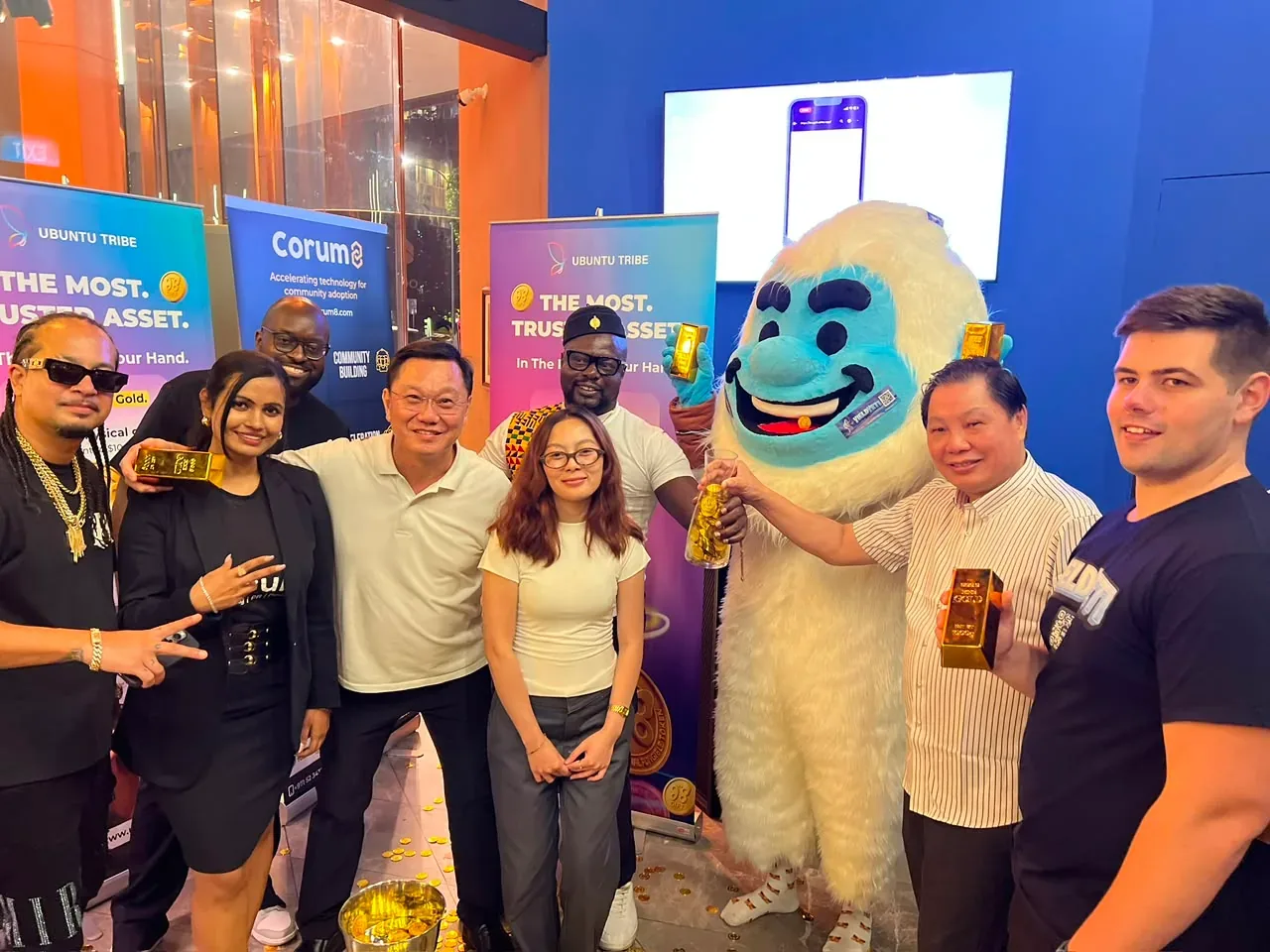
Side event production
Standalone side events run alongside major industry conferences — venue, format and run-of-show handled end to end, not a booth borrowed from someone else's show.
Marketing · Events & Hackathons
Side events, after-parties, hackathons and launch nights — planned, promoted and covered. Guest list curation, promotion and PR handled end to end, so the room fills with the right people and the story travels after it ends.
Corum8 plans and hosts crypto events — side events at major conferences, standalone conferences, after-parties, meetups, hackathons and launch events. The work covers guest list management and curation, event promotion and ticketing, and press and media coverage before, during and after the event.
What's included
Standalone side events run alongside major industry conferences — venue, format and run-of-show handled end to end, not a booth borrowed from someone else's show.
Full conference and summit hosting, from format and agenda design through to the day itself.
Launch-night parties and after-events built to be the one people are still talking about the next morning.
Recurring meetups that keep a community showing up in person, not just reacting to posts online.
Hackathon format design, judging criteria, prizes and sponsor coordination, run or co-run end to end.
Invitations curated for the room you actually want, with RSVP tracking and check-in handled on-site.
Promotion run across the channels your audience actually uses, plus ticketing and registration handled cleanly.
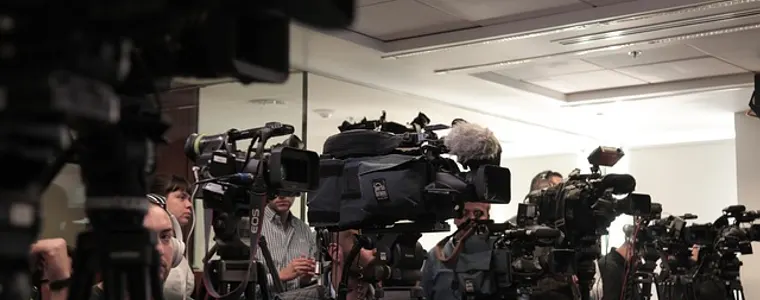
Press briefings, on-site media coordination and the recap content that keeps the story alive after the room empties.
Is this you?
You don't need all of them. One is usually enough to justify the call.
Invitations go to a generic list instead of a curated one built for who you actually want in the room.
Tickets or RSVPs open with barely any runway to actually fill the room.
The room fills up but there's no press or content coming out of it afterward.
A token or product launch is coming and it needs an event people actually remember.
Judging, prizes, sponsors and on-site logistics are consuming time your team doesn't have to spare.
Photos and a headcount are all that's left after the last one — no recap, no coverage, no follow-up.
Sectors
The audience differs, the guest-list discipline doesn't.

Launch-night parties and side events timed to a token generation event.
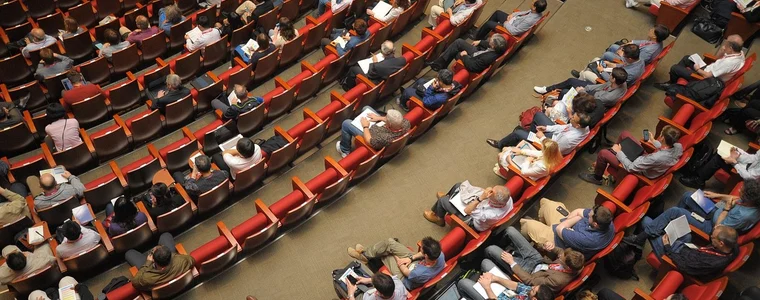
Format design, judging and sponsor coordination for developer-facing competitions.

Side events and after-parties run alongside the major protocol conferences.

Launch nights and community meetups for exchange and trading-platform audiences.

Community-first gatherings built around play, not just a press cycle.

In-person meetups that turn an online governance community into a room of real people.

Events positioned at the intersection audiences from both categories actually attend.
Curated dinners and small gatherings built for investor-density rooms, not open guest lists.
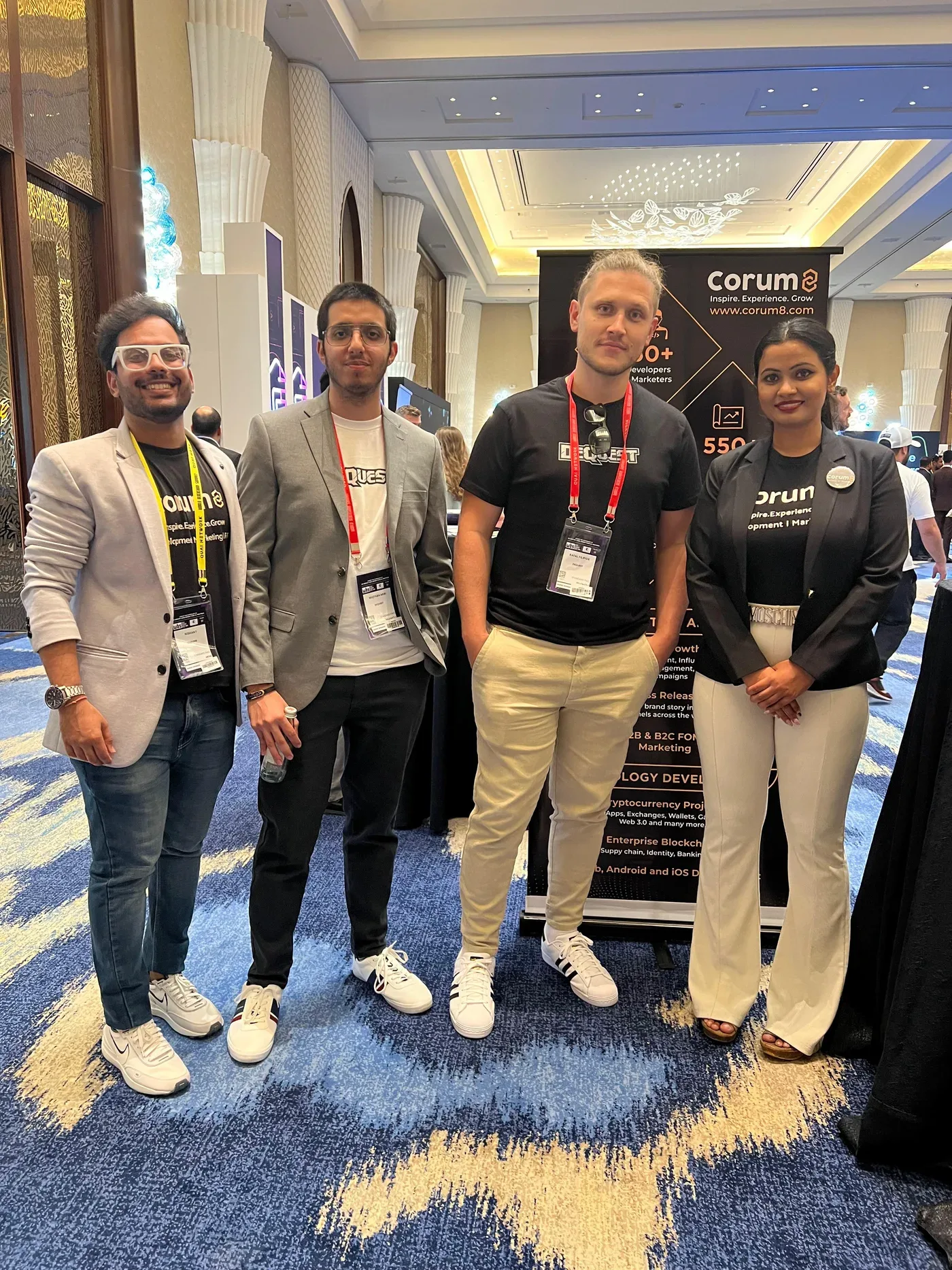
Selected work
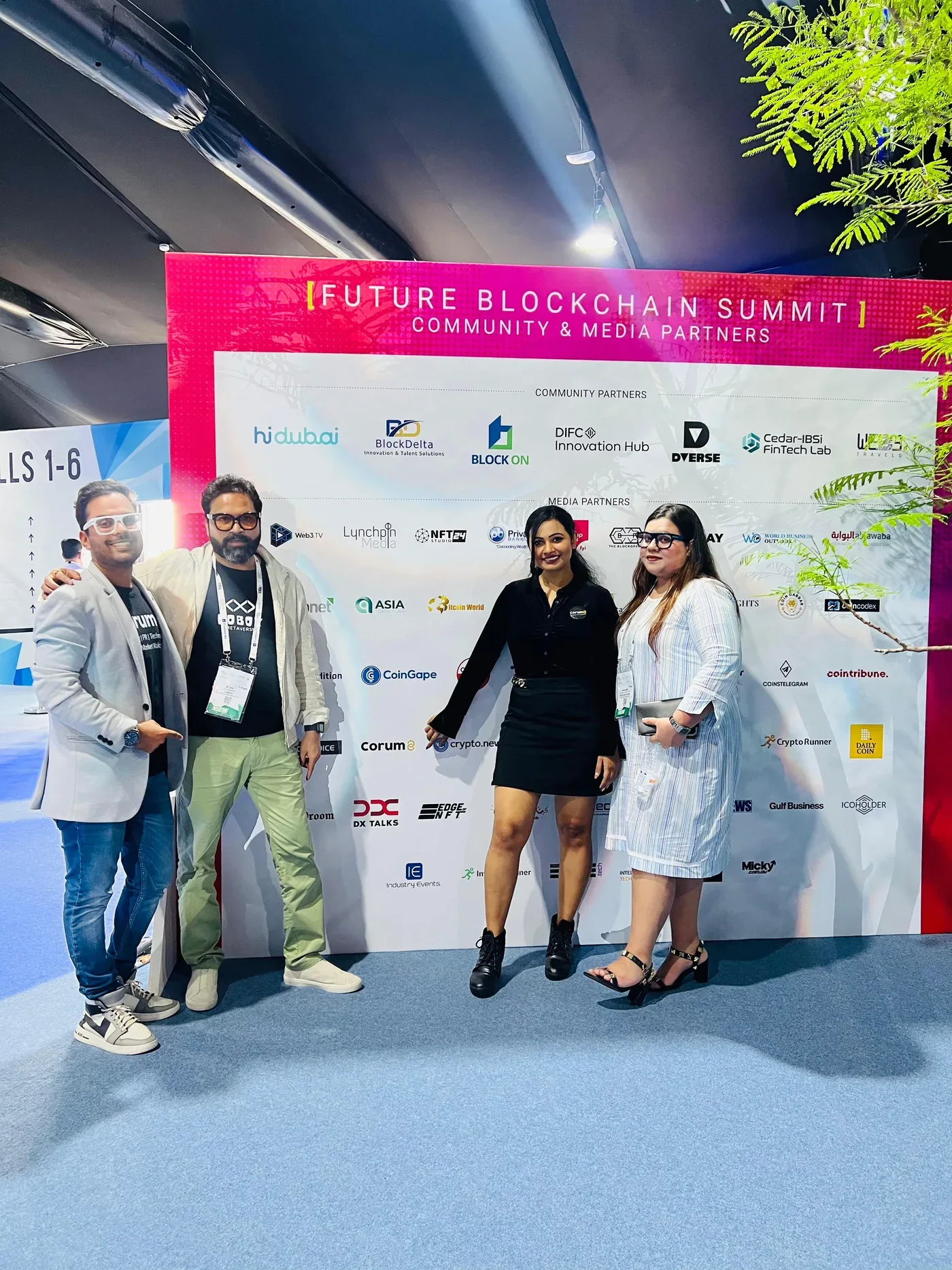
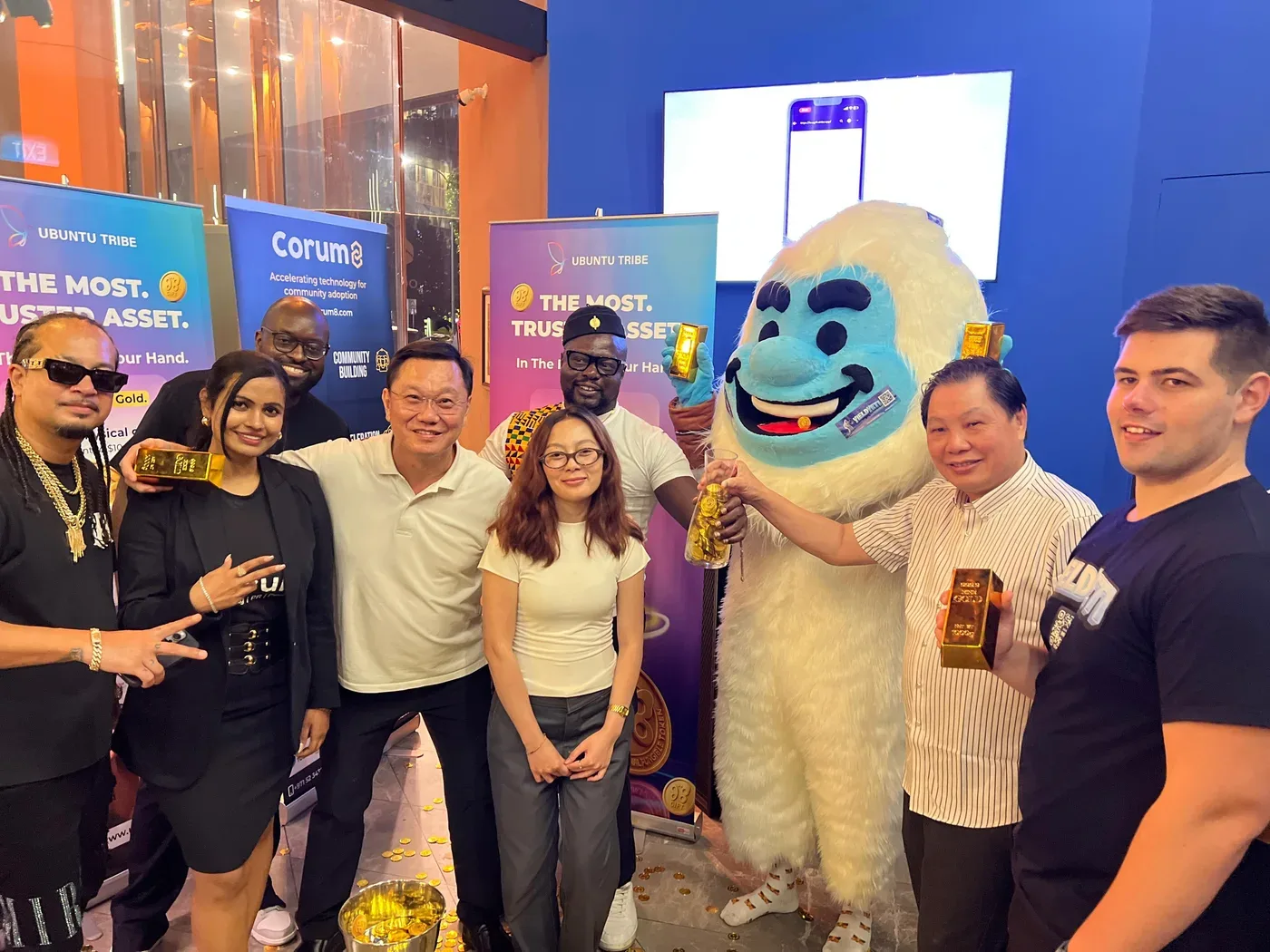
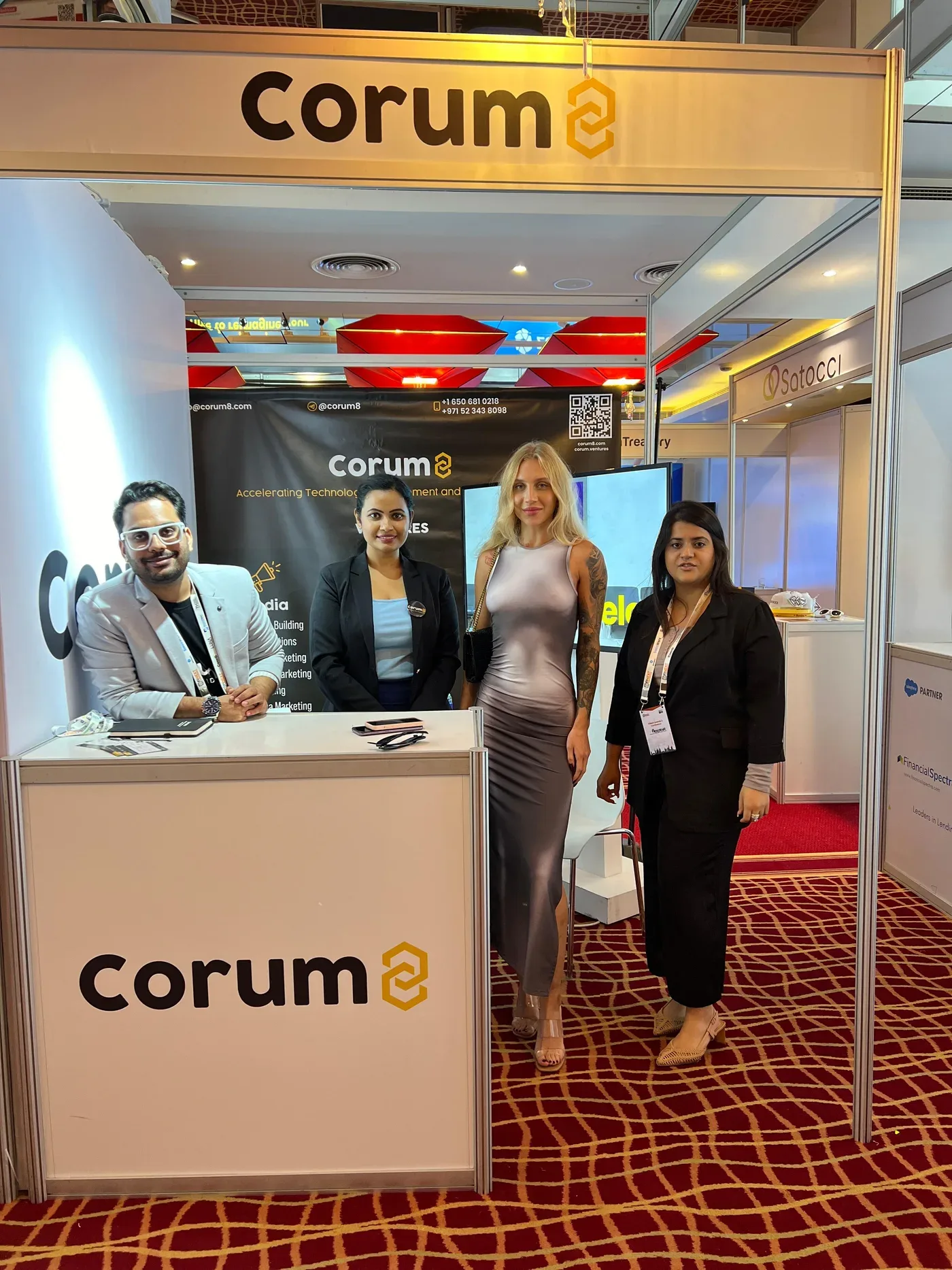
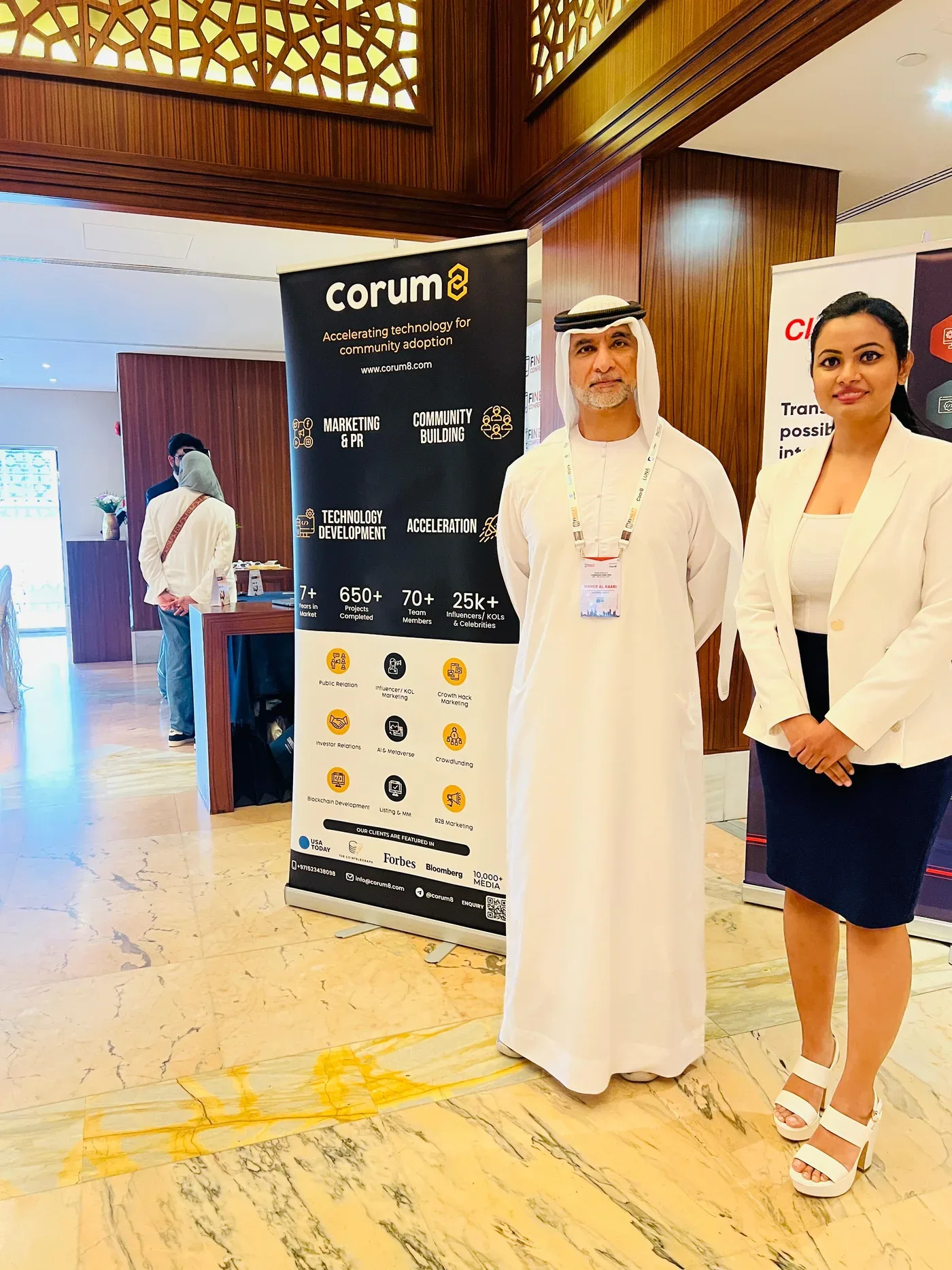
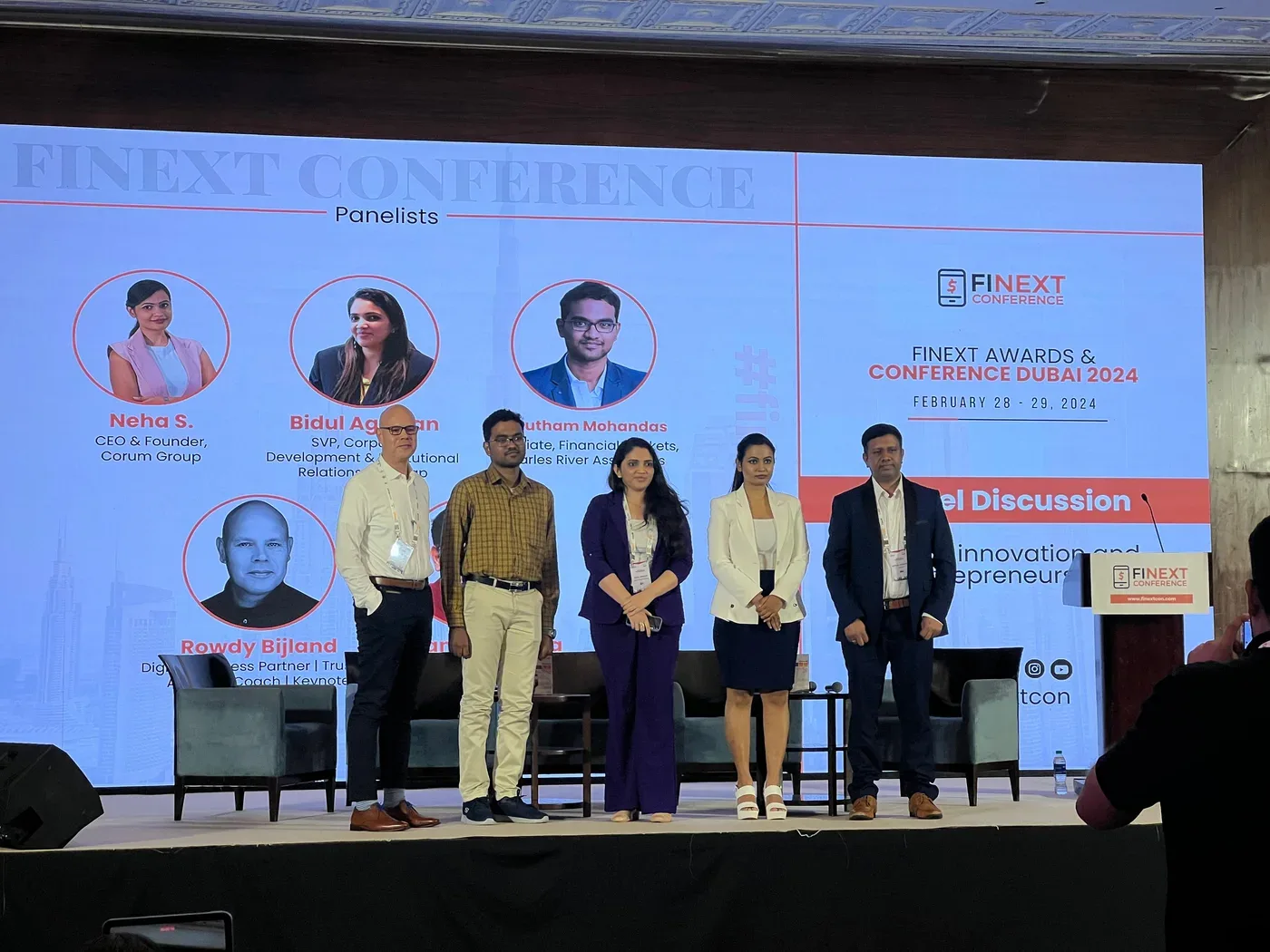
Booths, stages and client moments from conferences.
Process
Side event, conference, hackathon or after-party — format, venue and run-of-show locked before invitations go out.
Guest list curated, invitations sent, and promotion and ticketing run across the channels that actually reach your audience.
Check-in, run-of-show and on-site logistics managed end to end so nothing depends on a spreadsheet nobody's watching.
Press coverage and recap content go out while the event is still fresh, tracked back to real relationships and outcomes.
Case studies
A token-launch after-party built around a curated guest list, and a hackathon sponsorship run end to end for a developer audience.
A protocol team's launch-night event risked becoming another open-bar party nobody remembered. Building a curated guest list from real community and investor contacts, then running promotion through the right channels instead of a mass invite, turned the after-party into the room where the actual conversations happened.
A developer-tools team wanted hackathon presence but had no bandwidth to run judging criteria, prize logistics or sponsor coordination in-house. Taking over format design, judging structure and on-site logistics let the team show up to their own hackathon as guests instead of organizers.
Why Corum8
We build the list around who you actually want in the room, not a headcount target.
Ticketing and promotion open with real runway, not two weeks before the door opens.
Press coverage and recap content are planned alongside the event, not scrambled together afterward.
Venue, vendors, check-in and on-site management handled end to end.
Judging criteria, prize logistics and sponsor coordination run by people who've done it before.
Event timing coordinated with PR, influencer and community activation, not run in isolation.
What drives scope
Cost is driven by event format, guest-list scale and promotion intensity.
A meetup is lightest. A full conference, hackathon or launch-night party with production carries more scope.
A curated 50-person dinner is one budget. A 500-person launch party with RSVP management is another.
A borrowed community space is simple. A branded venue build with staging and signage is materially more.
Organic community promotion is lighter than a paid ticketing and reach campaign across multiple channels.
A single-track hackathon is simpler than a multi-track event with sponsor tracks and a prize pool to administer.
A standalone event is simpler than one coordinated with press briefings and on-site content production.
FAQ
Crypto event marketing is the planning, promotion and hosting of side events, conferences, after-parties, meetups, hackathons and launch events, plus the guest list management and PR that make them work. It covers format and venue planning, invitation curation, ticketing and promotion, on-site logistics, and the press coverage and recap content that keep the event working after it ends.
Cost is driven by event format, guest-list scale, venue and production needs, promotion intensity, hackathon complexity and PR coordination. A community meetup is a different budget than a branded launch-night party with a curated 500-person guest list and press coverage.
Yes — guest list management and curation is a core part of the service, not an add-on. That includes building the list from real community, investor and press contacts, running invitations, tracking RSVPs, and handling check-in on-site so the room fills with the people you actually wanted there.
Both — we run hackathons end to end, including format design, judging criteria and prize logistics, and we also coordinate sponsor presence at hackathons run by someone else. Which one depends on whether you're hosting the event or showing up at one.
Press briefings before the event, on-site media coordination during it, and recap content and follow-up press outreach after it ends. The goal is coverage that outlasts the night itself, not just a photo dump the next morning.
Yes — timing an after-party or launch night to a token generation event or product launch is one of the most common formats we run. This needs venue and guest-list planning locked well ahead of the launch date, since the best venues and dates get booked early.
Yes — ticketing and registration are handled as part of the promotion and guest-list process, whether the event is free, invite-only or ticketed. The system chosen depends on whether the priority is guest-list control, revenue, or simple headcount tracking.
Appearing at an established conference puts you in front of a crowd that is already there; hosting your own gives you the room and the agenda. Hosting works best when you have a genuine audience to convene and something worth convening them about. Where the goal is reach, a strong presence at an event people already attend does more for less. Plenty of the best programmes do both — a side event during a major conference, where the audience is already in the city.