


Finding people who actually fit
Selection starts from whose audience genuinely overlaps yours, checked against platform data and ten years of our own notes on who is worth working with.
Influencer & KOL Marketing
25,000+ vetted creators. Picked for who actually listens to them, briefed in their own voice, and read by a person before anything publishes — not the 2021 shilling playbook.
Corum8 runs influencer and creator campaigns across a vetted network of 25,000+ people on YouTube, X, Telegram, Instagram, TikTok, Twitch, Discord and Farcaster. Creators are picked because their audience genuinely overlaps yours, briefed on what matters rather than handed a script, and every piece of content is read by a person before it publishes. Each placement is reported on its own, so you can see what each creator actually did.
Where our creators publish
What's included
Run as a measured channel — not a wave of paid posts that all say the same thing.
Selection starts from whose audience genuinely overlaps yours, checked against platform data and ten years of our own notes on who is worth working with.
Message priorities and clear guardrails, not word-for-word scripts — creator-authentic content outperforms brand-dictated content.
Every deliverable reviewed before publish for accuracy, brand safety and disclosure hygiene, against whatever your legal team tells us applies in each market.
The same product needs a different opening line on a gaming channel and a finance channel. We work out what that line is per creator, rather than sending one brief to everyone.
Before anyone is contracted, someone on our side looks at whether the following is genuine — how the comments read, whether the engagement matches the audience, whether growth looks like people arriving or being bought.
Every placement gets its own line — what went out, where, how it was received — rather than one blended figure that hides which half of the roster carried it.
After a campaign we write down which creators were a pleasure to work with, which angles landed in the comments, and which platforms were the wrong room entirely.
A dedicated creator-relations manager maintains the network over quarters — the highest-trust creators are the ones you keep working with.
Is this you?
You don't need all of them. One is usually enough to justify the call.
Posts went out, the deck came back, and nobody could tell you why those particular creators were chosen or what any of them actually thought of the product.
The content is on-message and completely lifeless. Audiences can spot a script from the first sentence, and they scroll.
Ads alone will not get you heard in the window that matters. The people who will talk about it need briefing, and time to form an actual opinion, before launch day.
Fintech and considered crypto purchases are not impulse buys. People want to hear it from someone they already listen to, who has used the thing and will say what they think of it.
In much of Asia-Pacific, Latin America and the Middle East, creators are the main channel rather than a supporting one — and a local voice reads very differently from a translated one.
Content published with claims you would never have signed off, in markets with different rules, and the first time your team saw it was live on someone's feed.
Verticals
One way of picking and reviewing creators, adapted to each audience.

Crypto-native creators whose audiences actually trade and hold.

Coordinated multi-tier rollouts timed to listing day.

Twitch and YouTube Gaming creators reaching non-crypto players.

Creators covering the AI x crypto intersection for technical audiences.

Trust-driven categories where disclosure discipline is non-negotiable.

Launch-day creator coordination for drop-driven audiences.

LinkedIn and YouTube creators reaching senior decision-makers.

Performance-tracked creator programs outside crypto entirely — beauty, apps, DTC.
Process
The same four-stage process behind every Corum8 influencer engagement.
Audience-fit research, and a person reading the account properly, before a single creator is contacted.
Message priorities, clear guardrails and creative freedom — not a script.
Content goes live across the creator mix, timed to the moment that matters.
Every piece of content read before it publishes, and every placement reported on its own afterwards.
Case studies
A selection from a much longer client list — a token launch, a regional DeFi push, a gaming-audience pivot and a roster rebuilt from scratch.
A governance-token launch briefed 400 creators across X, Telegram, YouTube and Farcaster, segmented by region and audience type. Each got the same message priorities and wrote their own way into it. Seven were dropped during review before contracts signed, because the audience did not hold up when a person looked at it properly.
A DeFi product aimed at the Philippines, Vietnam, Indonesia and Thailand ran 60 creators in four local languages on YouTube and TikTok, rather than US-market English creators with some regional reach. The briefs were written in-market. The result sounded like it came from the country it was aimed at, because it did.
A Web3 game needed gamers to take it seriously, not crypto audiences. Thirty Twitch and YouTube Gaming creators who had never touched a Web3 title played it for six weeks and reviewed it honestly — criticism included. That format only works if the product survives being played on camera by someone with no reason to be kind.
A consumer beauty brand had run two years of influencer work on an agency's word that it was going well, with no per-creator record of what had been posted. We rebuilt the roster from audience fit, reported each placement separately from then on, and the brand could finally see which relationships were worth keeping — without raising the budget.
And the rest of the client list














Our connections
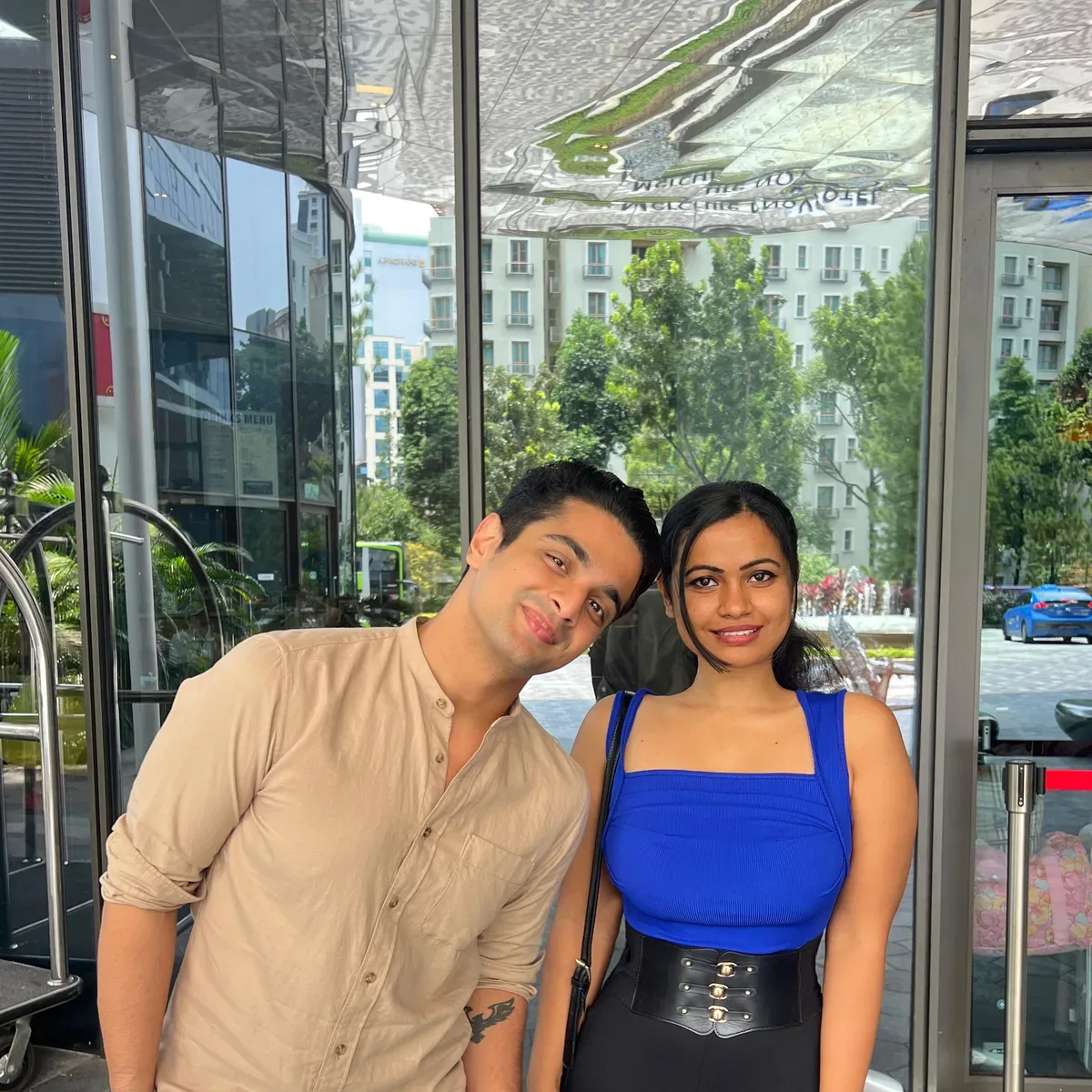
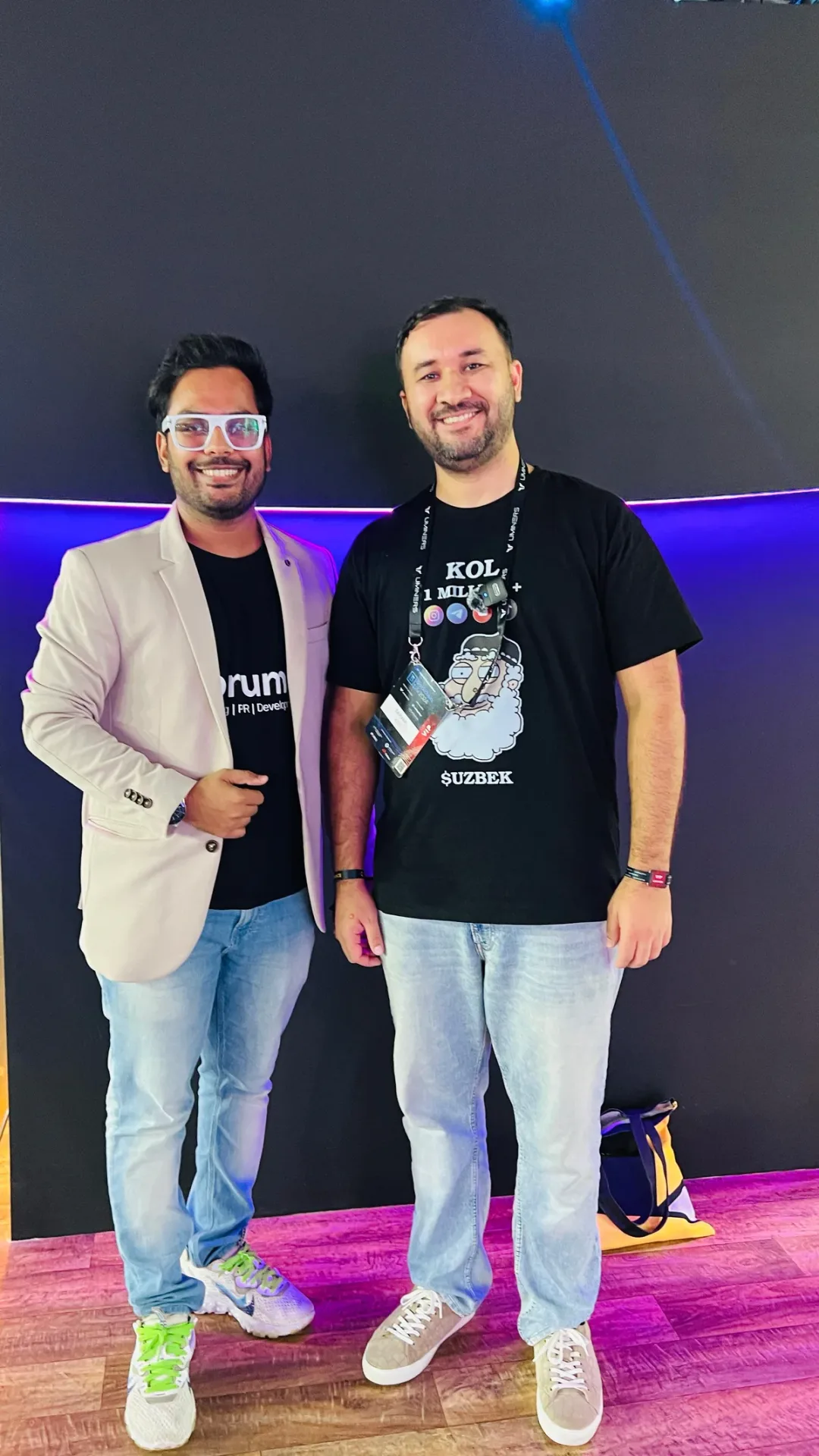
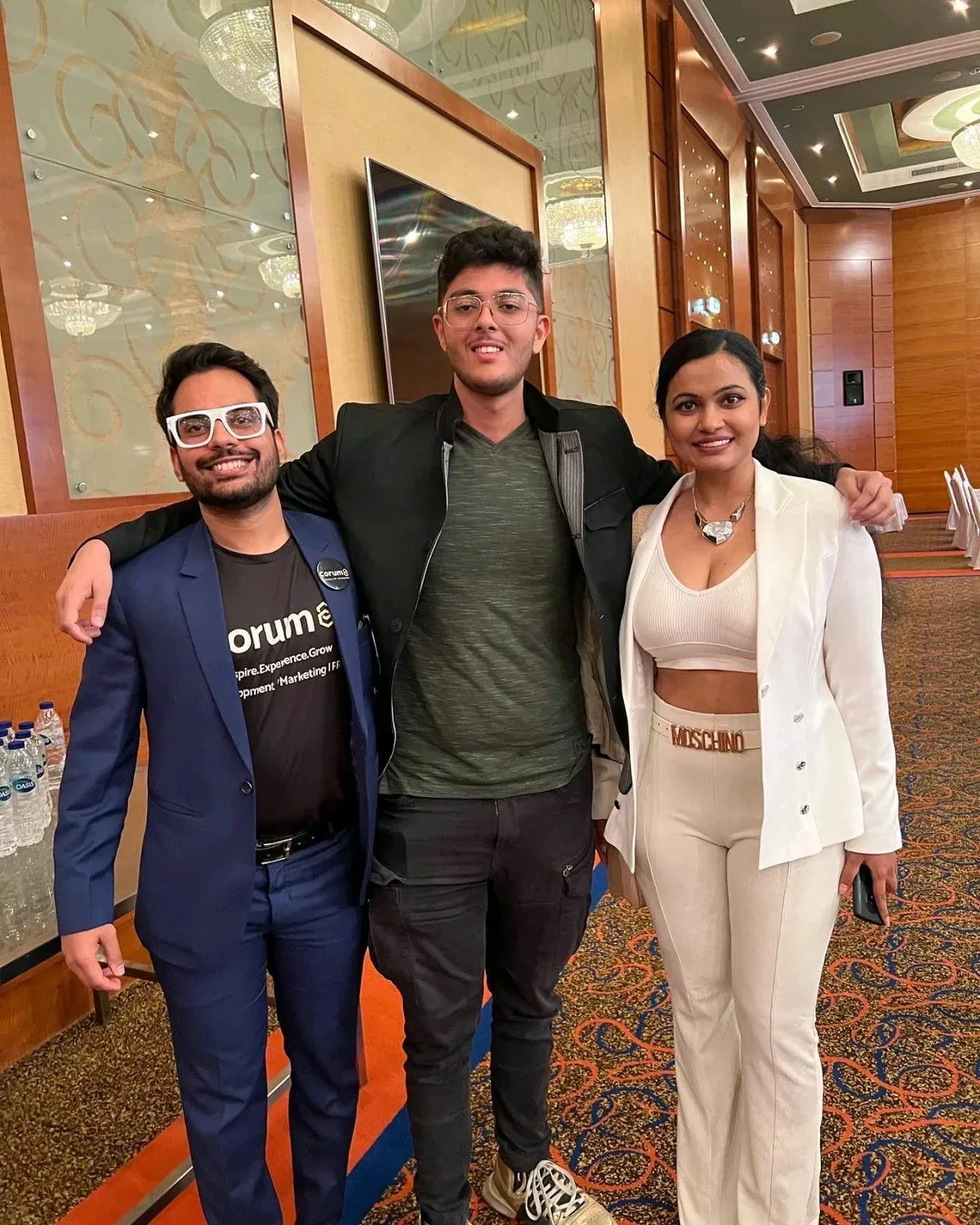
Moments from campaigns, award nights and creator meetups across the network.


Why Corum8
From the ICO shilling era through the crypto-influencer collapse to the far more sceptical audiences of today — the network is ten years deep, not assembled for one campaign.
Every creator in the network carries our own notes — we have worked with them, we have read their comments, we know how they handle a brief. Not just a follower count.
Finding creators, checking them, briefing them, reading the content before it ships and reporting afterwards — all one team, with nobody handing your campaign to a vendor you have never met.
Creators are free to decline work they don't believe in, and we don't run pay-to-shill campaigns — audience trust is the asset we protect.
PR supplies the news value creators amplify; community turns a one-time creator audience into an ongoing one; performance marketing retargets creator-warmed traffic.
Local-language creators across Asia-Pacific, Latin America and the Middle East, briefed in-market rather than handed a translated script.
Program types
Different products need different creator-program shapes. Here's how we scope and run each.
Coordinated multi-creator rollouts timed to a launch event, segmented by tier and platform for maximum coverage in a narrow window.
Long relationships with a smaller set of people who genuinely use the product, producing reviews, tutorials and experiments between launches. Familiarity is what makes them credible.
Creators given their own referral codes and links, so a relationship that keeps producing can keep earning rather than resetting to zero after each campaign.
Per-market claim controls and pre-publication legal review, run against the constraints your own counsel sets.
Tooling flags what looks off, then a person checks it by hand — before a contract signs, rather than after a campaign disappoints.
Contractor payments handled through Deel and stablecoin settlement rails, so creator payouts don't become the bottleneck on a fast-moving campaign.
FAQ
It is working with people whose audience already trusts them so they can talk about your product in their own words, to an audience that actually overlaps yours. The work is finding the right people, checking that their following is real, briefing them on what matters without writing their script, reading everything before it publishes, and reporting on each placement separately. It runs across YouTube, X, Telegram, Instagram, TikTok, Twitch, Discord and Farcaster.
The mix of creator sizes, how many platforms, how many markets, and whether it is one launch push or an ongoing programme. A very large account and a mid-sized one are different orders of cost entirely, and the bigger one is not automatically the better buy — a smaller creator whose audience is exactly your buyer often does more. Creator fees themselves are third-party costs and are not included unless the proposal says so. We will talk through the mix that suits your product on a call.
Tooling flags what looks unusual, and then a person actually looks at the account before any contract signs. We read the comments — whether they sound like people who watched the thing or like filler. We look at whether engagement matches the size of the following, whether growth looks like arrival or purchase, and whether the same audience shows up across their other platforms. Anyone who does not hold up is dropped at that stage rather than explained away afterwards.
One creator at a time, never as a single blended number. For each placement you get what went out, where, when, what it cost and how the audience responded — including the comments, which are usually the most honest read available. Blended reporting hides the fact that a handful of people carried the campaign and the rest did nothing, which is the single most useful thing to know before you commission the next one.
YouTube suits deep-attention product education, X and Farcaster suit crypto-native reach, Telegram suits products with group-chat culture, TikTok suits consumer and younger audiences, and Twitch suits gaming-adjacent products. Most serious programs blend several platforms — the right mix depends on where your specific buyer actually spends time, not general platform popularity.
Yes — the same discipline applies to consumer, fintech, SaaS and lifestyle brands outside crypto entirely. Corum8's creator network spans 15+ categories. The questions do not change: does this person's audience overlap the buyer, is the following genuine, have they actually used the product, and did somebody read the content before it went live. A beauty creator with a rented audience fails those the same way a crypto one does.
In practice the terms overlap, but "KOL" (key opinion leader) is more common in crypto and Asian markets and often implies deeper category authority, not just audience size. A KOL's endorsement carries weight because their audience trusts their judgment on the category specifically — which is why audience-fit vetting matters more than follower count for either label.
Through explicit disclosure briefs per creator, and claim controls that differ by market because disclosure rules do. Creators are briefed on exactly which claims they can and can't make and how disclosure must be formatted, with your legal team reviewing before publication wherever that matters.
Yes, and the work shifts from demonstration to positioning. Without a live product a creator cannot show it working, so the job becomes explaining clearly what it will do and why this team is worth paying attention to. That puts more weight on picking creators whose audience has the patience for that kind of content, and on giving them enough real detail to sound informed rather than promotional. The vetting and the pre-publication review are exactly the same.
Creators whose audience genuinely overlaps yours, talking about something they have actually used. The programmes that land pick on audience overlap rather than follower count, brief on what matters rather than handing over a script, and give people enough access to the product to form a real opinion. A creator who has used the thing sounds different from one who has read about it, and audiences hear the difference immediately. We also look at your own landing experience first, because sending interested people somewhere confusing wastes the introduction.