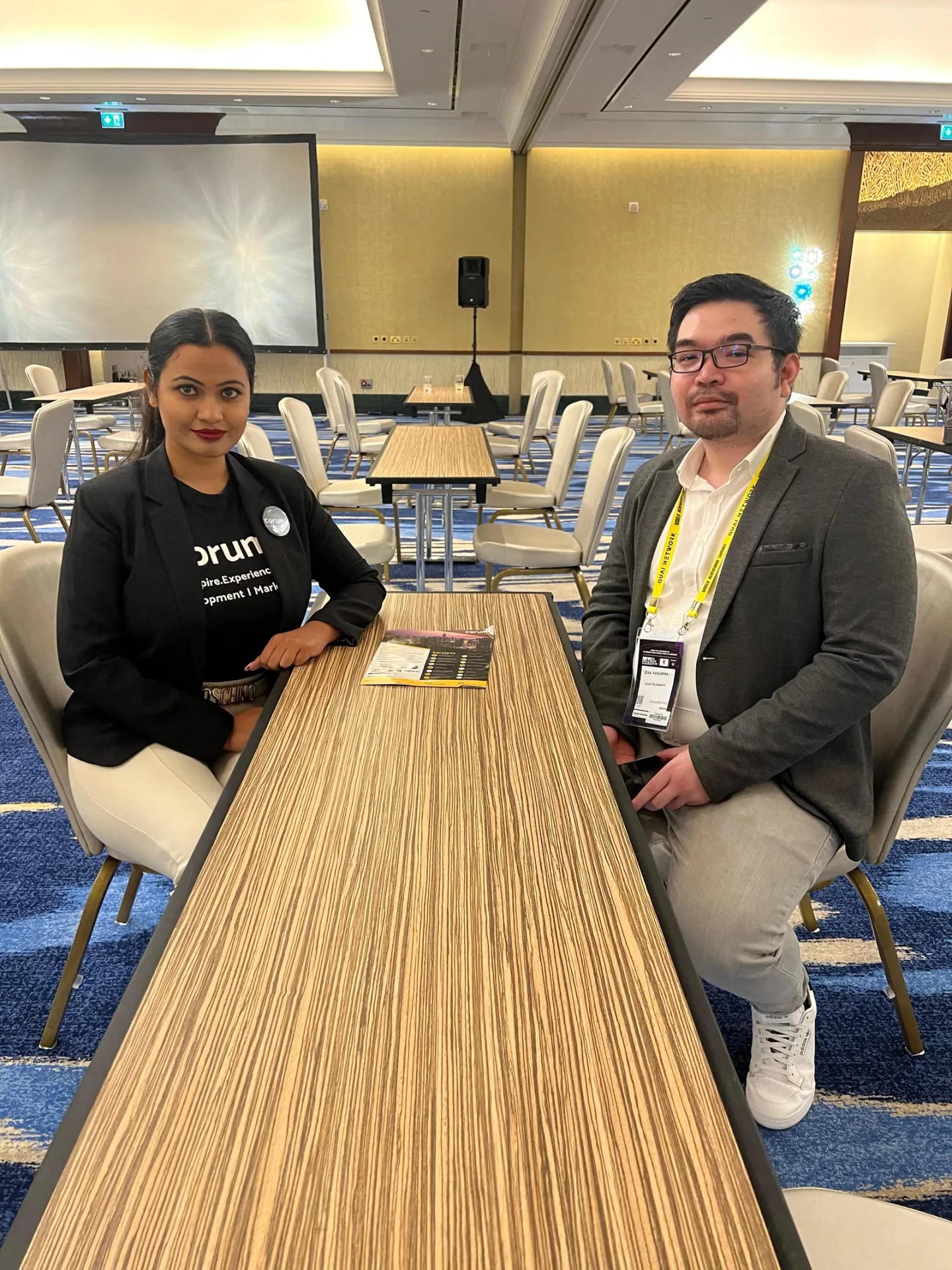

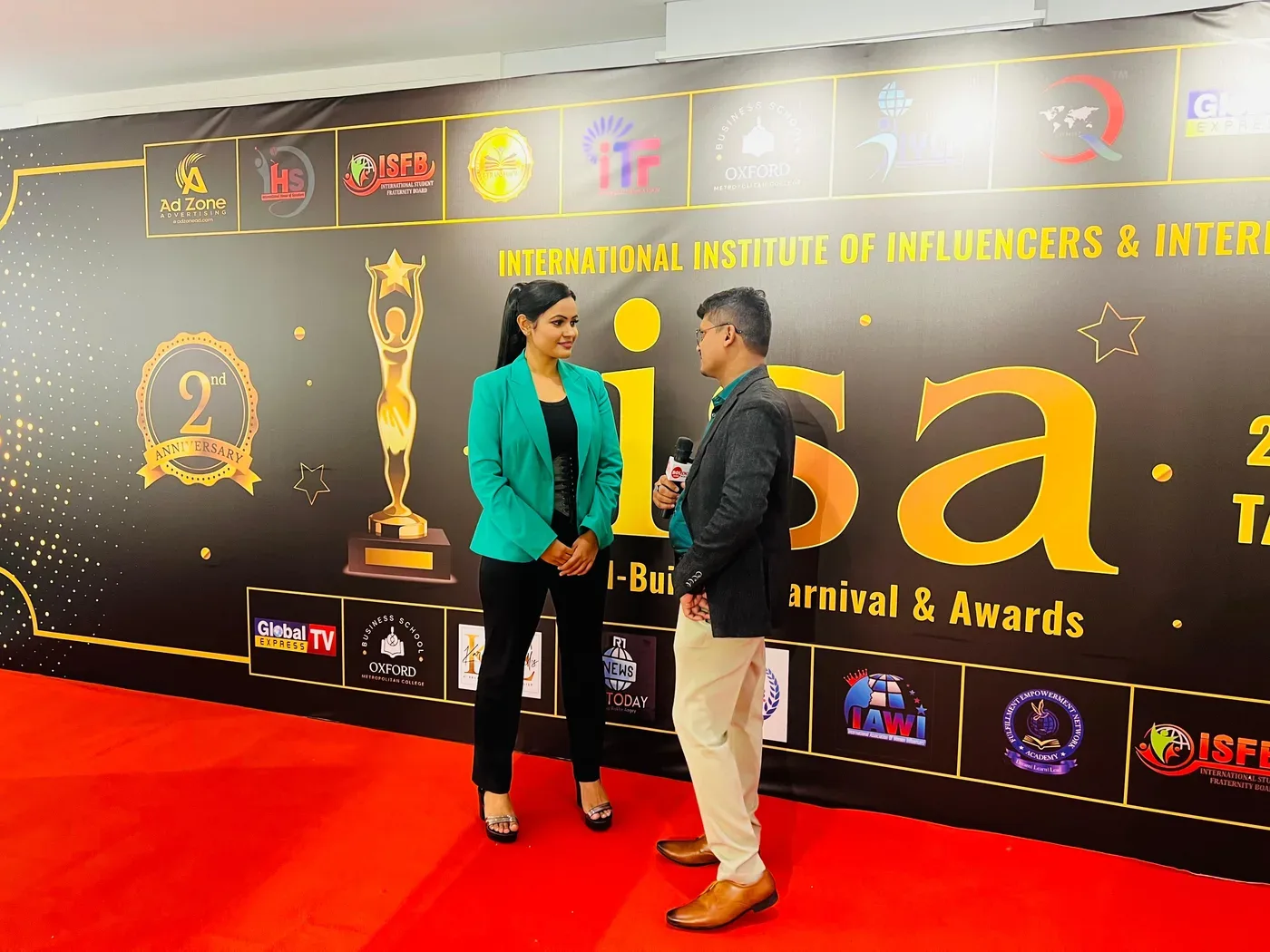
Technical founders are usually good interviewees in one respect and poor in another.
They are accurate. They are also, frequently, answering the question that was asked rather than the question behind it — and in a category where reporters have learned to be sceptical, the question behind it is the one that matters.
Three points, regardless
Before any interview, settle the three things you want said no matter what is asked.
Not talking points to be recited. Positions you hold, expressed in your own language, that you will find a way back to.
This sounds like media-training cliché and it is the single most useful preparation there is, because interviews wander. Without the three points, you answer questions for thirty minutes and afterwards cannot say what the piece will be about. With them, you have shaped it.
Prepare the questions you dread
Write down the five questions you would least like to be asked. Then write honest answers.
For crypto founders these are usually predictable: why should anyone trust you with their money, what happens if the token goes to zero, what is the team’s allocation and when does it unlock, who audited this, what happened with that incident last year.
Every one of these will eventually be asked. Preparing an honest answer in a quiet room is much better than improvising one under lights.
Note honest. A rehearsed evasion is more damaging than the question, because an experienced reporter recognises it and it becomes the angle.
The claims that cannot be made
This is the crypto-specific part and it belongs in preparation rather than in the room.
Your legal team has a list of things you cannot say — anything about future price, guaranteed returns, claims about what your product is permitted to do, partnership descriptions stronger than the contract supports.
Get that list before the interview. Not because a founder would deliberately breach it, but because these claims are easy to make accidentally when an interviewer is friendly and the conversation is flowing.
A published quote is permanent. Preparation is what stops it happening.
On the record, on background, off the record
These conventions are widely assumed and inconsistently applied, which makes them dangerous.
Broadly: on the record is quotable and attributable. On background is usable but not attributable to you by name. Off the record is not publishable at all.
Two practical rules:
Agree the terms before you say the thing, explicitly. Declaring something off the record after you have said it does not work and reporters are not obliged to honour it.
And treat everything as on the record by default, including the small talk before and after. Particularly the small talk after, when founders relax.
Hostile questions
Answer them.
Deflection reads worse than whatever was asked, and a good interviewer will simply return to it, now with the added observation that you avoided it the first time.
The structure that works: acknowledge the premise if it is fair, correct it plainly if it is not, then bridge to what you actually want to say. What fails is pretending the question was not asked — that is how one difficult question becomes the entire story.
Not knowing is allowed
“I don’t know” and “I’d have to check that” are complete, acceptable answers. They are also enormously safer than a confident guess.
Founders resist this because it feels like weakness. It reads as precision, particularly to technical journalists, who have interviewed plenty of people willing to confidently state things that turned out to be wrong.
Practice out loud
Reading preparation notes is not preparation. Answering the questions aloud, to another person, with follow-ups, is.
The gap between knowing what you think and being able to say it clearly under mild pressure is much larger than most people expect, and it only closes with practice.
Common questions
What does media training cover?
The three points you want made regardless of what is asked, the questions you would least like to face and honest answers to them, what you cannot discuss and how to say so without sounding evasive, and the practical difference between on the record, on background and off the record. For crypto founders it also covers the specific claims your legal team has ruled out, so those never reach a transcript.
What should a founder never say in an interview?
Anything about future price, directly or by implication. Anything implying guaranteed returns. Partnership claims stronger than the actual relationship. Speculation about competitors legal situations. And anything you are not certain of - a journalist will quote it, and a correction is far more expensive than a moment of not knowing.
What does off the record actually mean?
It means the information cannot be published or attributed at all. On background usually means it can be used but not attributed to you by name. These conventions are widely assumed and inconsistently applied, so agree explicitly with the journalist before you say anything sensitive, rather than declaring it retrospectively. Saying something and then calling it off the record afterwards does not work.
How do you handle a hostile interview question?
Answer it. Deflection reads worse than the question, and an experienced interviewer will return to it. Acknowledge the premise if it is fair, correct it plainly if it is not, then bridge to what you actually want to say. What fails is pretending the question was not asked, which turns one difficult question into the entire story.
Does Corum8 provide media training?
Yes, as part of PR programmes. We prepare spokespeople before interviews and panels, run practice sessions with the questions we expect, and build the message framework alongside whatever claim constraints your legal team sets.