

Community manager is a job title that badly undersells what the role does in crypto.
The version most projects hire for is social media adjacent — post announcements, keep the vibe up, run the occasional giveaway. The version the role actually needs to be is closer to front-line support with a security function attached.
Four jobs in one
Support. A member with a stuck withdrawal at 2am goes to the channel, not the ticket queue. Someone competent answering in four minutes is the difference between a retained user and a lost one.
Moderation. Constant impersonation, constant scam links, occasional genuine hostility. This is security work with a friendly interface.
Content. Something that gives people a reason to open the channel that is not price. Daily, consistently, without fail.
Signal. Community managers hear what is going wrong with the product before support tickets do. A good one routes that back into the team as a finding rather than letting it dissolve into chat.
Product comprehension is the first filter
This is where most hiring goes wrong.
A community manager who cannot answer a technical question without escalating has added a step rather than removed one. Members notice immediately, and a channel where every real question gets “let me check with the team” trains people to stop asking.
So the first thing to test is whether the candidate can understand your product well enough to explain it. Give them your documentation and ask them to answer five real questions from your own channel. It is a better predictor than anything on a CV.
What matters after that
- Judgement under pressure. During an incident, this person is speaking for you. Ask about a time a community turned hostile and what they did.
- Writing that sounds human. Corporate voice in a Telegram channel is instantly obvious and quietly corrosive.
- Real availability in your busiest hours, which is a scheduling fact rather than an enthusiasm question.
- Scepticism. The job involves being targeted by people trying to manipulate them into granting access or endorsing something.
What tells you very little: follower counts, the size of communities they have previously been in, and enthusiasm for crypto in general.
Coverage beats headcount
One person cannot cover a global community. However good they are, they sleep.
Three time-zone bands is the practical minimum, and the gaps in coverage are precisely when incidents happen — because attackers know when moderation is thin.
Regional leads who genuinely speak the language beat translated announcements comfortably. A translated post reads as translated, and audiences take it as a signal about how seriously they are taken.
Escalation has to be real
A community manager needs a defined path to a human who can actually act: an engineer on call, a support lead with account access, someone who can authorise a statement.
Without it, the manager is left improvising answers about things they cannot fix, which is both bad for the member and unfair to the person doing it.
Define who they can wake, for what, and how. Then test it.
In-house, agency, or both
In-house managers know the product best and are most invested. They are also expensive to staff across time zones and hard to replace when they leave.
Agency teams bring coverage, process and regional languages immediately, with less product depth at the start.
The hybrid works well: an in-house community lead who owns the voice, the relationships and the escalation decisions, with agency moderators covering the hours and languages the in-house team cannot.
What to measure
Response time in the channel. Proportion of questions answered without escalation. How much conversation happens without the team starting it. How regional channels differ from each other.
Not raw member count, which is the easiest number to inflate and the least informative about whether any of this is working.
Common questions
What does a crypto community manager do?
Answers product questions faster than support can, moderates against constant impersonation and scam pressure, escalates real problems to the right team, produces daily content that gives people a reason to come back, and reports on how the room is actually behaving. It is four jobs, and hiring for only the social-media part of it is the most common mistake.
What should you look for when hiring a community manager?
Product comprehension first. A community manager who cannot answer a technical question without escalating adds latency rather than removing it. After that: judgement under pressure, writing that sounds human, and genuine availability during your busiest hours. Follower count and previous community size tell you very little about any of these.
How many community managers does a project need?
Enough to cover the hours your members are awake, which for a global project means three time-zone bands at minimum. One person cannot cover a 24-hour community regardless of how good they are, and the gaps are exactly when incidents happen. Coverage pattern matters more than headcount.
Should community managers be in-house or outsourced?
In-house wins on product knowledge; an agency wins on coverage, existing process and the ability to staff regional hours immediately. Many projects run a hybrid - an in-house community lead who owns the voice and relationships, with agency moderators covering the hours and the regional languages the in-house team cannot.
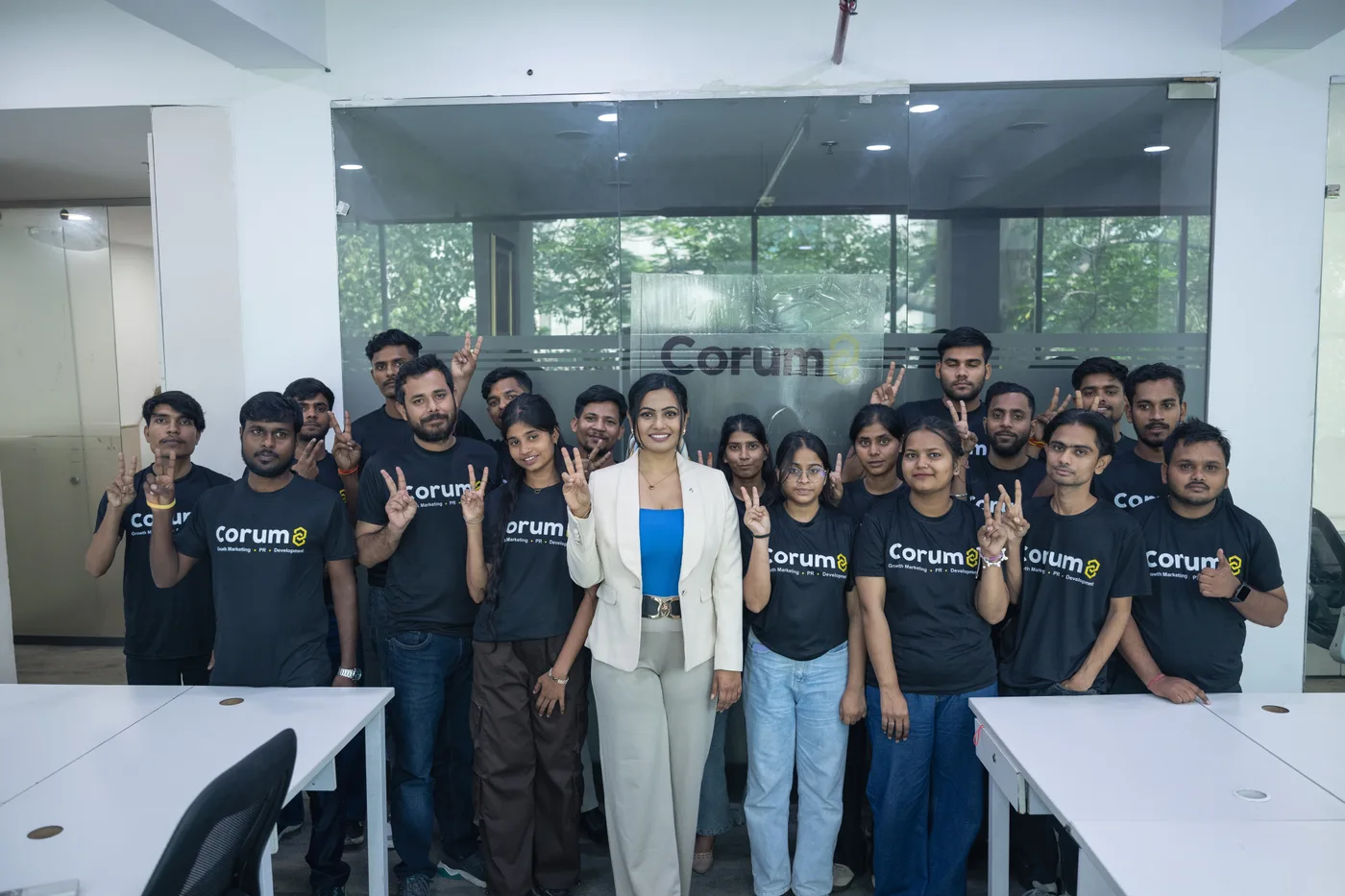
Does Corum8 provide community managers?
Yes. We staff communities with moderators across time zones and languages, with escalation paths into your team, anti-scam operations, content cadence and regular reporting. Corum8 has run community programmes since 2016 with 95+ specialists.