
Traders pick a venue on spreads, execution and withdrawal speed. They stay for the room.
That is the part most brokers and exchanges underinvest in, and it shows up later as churn that looks inexplicable on a dashboard. Nothing changed about the fees. The trader just found somewhere that felt less lonely to trade from.
What a trading community is actually for
It does three jobs, and they are not the ones most venues design for.
It answers questions faster than support can. A trader with a stuck withdrawal at 2am does not open a ticket. They go to the room and ask whether anyone else is seeing it. If a competent person answers in four minutes, you have kept a customer. If nobody answers until the ticket queue opens, you have started losing one.
It absorbs panic. Every venue has a bad hour eventually — an outage, a delayed withdrawal, a listing that goes sideways. A staffed room where people are getting straight answers is the difference between a difficult hour and a reputational event.
It teaches the product. Most retail traders use a fraction of what a platform offers, and the gap between what they use and what exists is usually the gap between a small account and a serious one.
Start with the reason to come back
The single most common failure is launching a channel with no ongoing reason to open it.
A daily market note, written by someone who actually trades, is the cheapest and most reliable answer. Not a price recap — anyone can get that. Something closer to: what moved, why it probably moved, what is worth watching into the next session. Three paragraphs. Every trading day, without fail.
Consistency matters more than brilliance here. A competent note that always arrives builds a habit. A brilliant note that arrives twice a week does not.
Around that, the things that genuinely earn attention from traders:
- Execution transparency. Latency numbers, uptime, how you handled the last spike. Traders respect venues that publish this and quietly distrust ones that do not.
- Strategy breakdowns that are honest about drawdown, not just the winning months.
- Platform walkthroughs for the features nobody is using — conditional orders, API access, sub-accounts.
- Regional rooms in the languages your flow actually comes from, run by people awake in those hours.
Staff it before you grow it
This is the order that gets reversed most often, and reversing it is expensive.
A community that cannot answer questions converts worse than no community at all, because the silence is now visible. Someone asks about a failed deposit, nobody replies for six hours, and forty people watched that happen.
Before any growth spend, you want moderators who can answer a product question without escalating, an escalation path into real support for the ones they cannot, and enough coverage that the quiet hours in your biggest market are not actually quiet. For most venues that means three time-zone bands minimum.
Moderation is a security function
Every crypto venue attracts impersonators, and a trading community is a particularly rich target because the people in it hold balances.
Treat it accordingly. Entry friction on join. Automated detection for the standard wallet-drain link patterns. A permanently pinned notice that staff never DM first. And enough human presence that a fake support account is removed in minutes.
Traders judge you on how fast the fake account disappears. They have all been in a room where it took a day.
Converting community into flow
The link between a healthy room and actual trading volume is real but indirect, and it is worth being honest about how it works.
Community does not generate trades directly. It reduces the reasons people leave, it shortens the distance between a confused user and a working one, and it produces the word-of-mouth that brings in the kind of trader who researches before depositing. Those effects compound over quarters, not weeks.
What we report on is how the room itself is behaving — active participation against total membership, how quickly questions get answered, which topics draw people back, how regional channels differ. What that activity is ultimately worth to your business sits in your own numbers, and you are the only one who can connect the two.
Between cycles is when it is won
Anyone can run a trading community in an active market. The room runs itself.
The venues that come out of a flat stretch with an advantage are the ones that spent it teaching — turning the quiet months into education, strategy content and platform depth, so that when volume returns their users already know how to use the product properly. That is a deliberately unglamorous strategy and it works reliably.
The alternative is what most venues do, which is let the channel go quiet and then try to restart it under pressure when things pick up. Restarting is much harder than continuing.
Common questions
How do you build a trading community for an exchange?
Start with a reason to come back that is not price. Daily market notes written by someone who actually trades, a channel where a fill question gets answered in minutes, and regional rooms staffed by people in those time zones. Traders judge a venue's community by how fast a real answer arrives when something goes wrong at 3am. Build that response capability before you spend anything on growth, because a community that cannot answer questions converts worse than no community at all.
Should a broker use Telegram or Discord for its trading community?
Telegram for retail and most crypto-native markets, Discord where you need structure. Telegram wins on mobile, on notification behaviour and on the simple fact that traders are already there. Discord wins when you need separate rooms per instrument, role-gated areas for verified or higher-tier clients, and a searchable history. Plenty of venues run both, with Telegram as the front door and Discord as the depth.
How do you keep a trading community alive in a quiet market?
Shift the content from price to craft. In a bull market the room runs itself on excitement; in a flat one it survives on education, strategy breakdowns, platform walkthroughs and genuinely useful market structure commentary. The venues whose communities carry through a quiet stretch are the ones that spent it teaching. They arrive at the next active period with an audience that already understands the product.
How do you stop a trading community filling with bots and scammers?
Moderate hard from day one and never let it slip. Entry friction, automated detection on wallet-drain link patterns, a visible pinned warning that staff never DM first, and enough human moderators that a fake support account gets removed in minutes rather than hours. Every crypto venue attracts impersonators. The difference between venues is how fast the fake account is gone, and traders notice that difference.
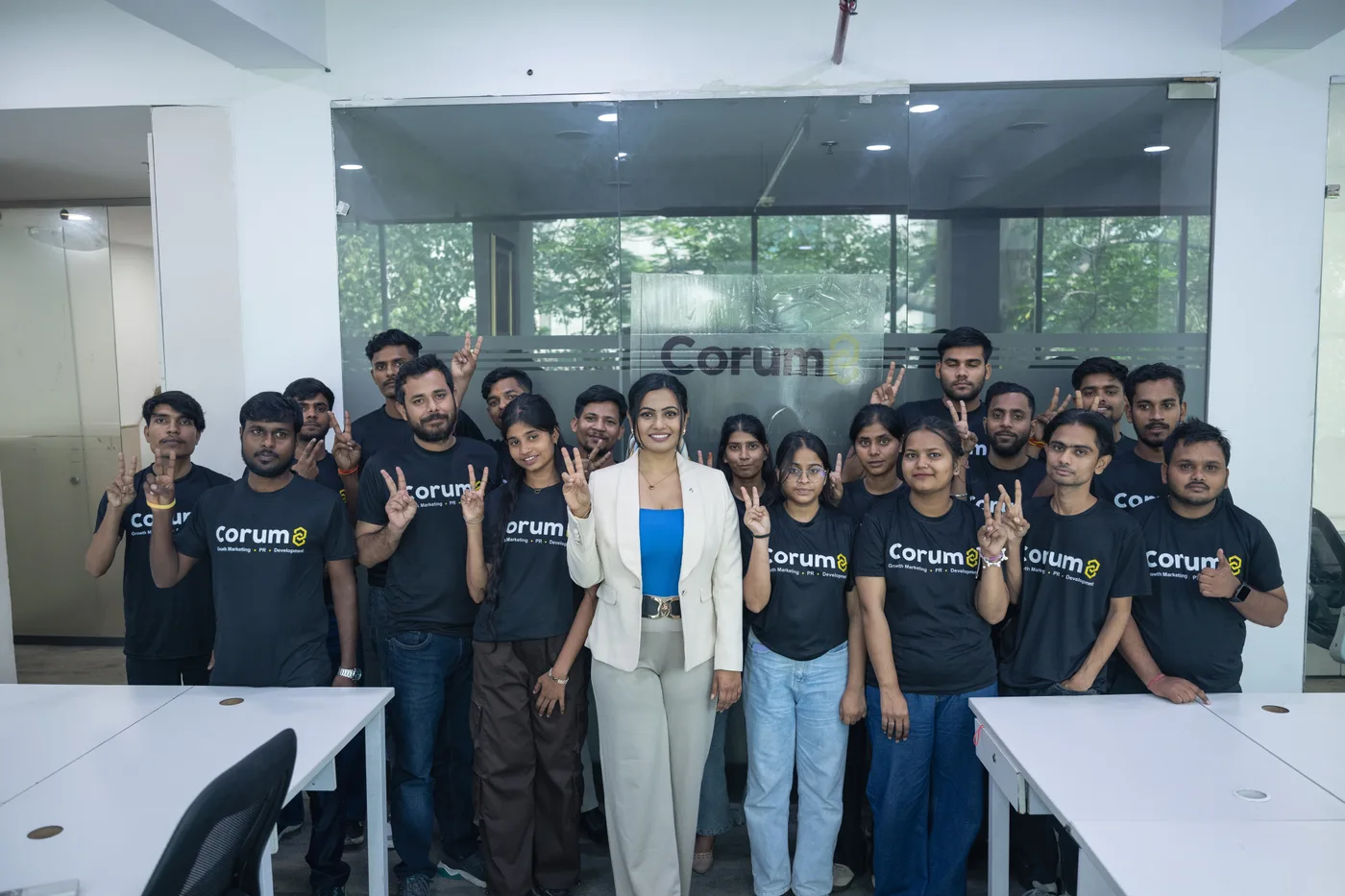
What does Corum8 do for exchange and broker communities?
We staff and run them. That covers Telegram and Discord architecture, regional moderation in the time zones your traders are actually awake in, daily market content, escalation paths into your support team, and the reporting that tells you how the room is behaving over time. We have been building communities for exchanges, brokers and token projects since 2016, with 95+ people across community, PR, performance and engineering.