
A token community fails differently from a product community, and the difference matters when you are designing one.
A product community has a built-in reason to exist: people use the thing and have questions about it. A token community has to manufacture that reason — and if the only reason on offer is price, it holds for exactly as long as price cooperates.
Build around participation, not price
The communities that survive a drawdown were built around something people do together before the drawdown arrived.
That can be any of:
- Governance — real proposals with real consequences, not theatre votes on things already decided.
- Testing — early access, bug reports, feedback that visibly changes the product.
- Content and translation — members producing explainers and regional versions, credited.
- Support — informed regulars answering newcomers, which is the strongest signal a community is real.
The test is simple: does the room keep talking when the team is asleep? If every thread starts with a team post, you have an announcement channel with a chat box attached.
Telegram and Discord do different jobs
Telegram is where crypto-native audiences already are. Announcements get seen, notifications actually fire, mobile behaviour is right, and the barrier to joining is nearly zero. It is your front door.
Discord gives you structure — role-gating, separate rooms per topic, searchable history, and the ability to run governance discussion without it scrolling away in ninety seconds. It is where work happens.
Most serious projects run both. What does not work is picking one and forcing it to do both jobs: Telegram alone becomes an unnavigable wall, and Discord alone means half your audience never joins.
Staff for the hours your holders are awake
This is the operational decision that matters most and gets planned least.
A global token with a single community manager in one time zone leaves most of its holders unanswered for most of the day. That is fine until something goes wrong at an inconvenient hour, and something always eventually does.
Three time-zone bands is the practical minimum for a global project. Regional leads who genuinely speak the language beat translated announcements by a wide margin — a translated post is obviously translated, and audiences read that as not being taken seriously.
Moderation is a security function
Anything with a token attached attracts impersonators, and the people in your community hold balances.
Entry friction on join. Automated detection for wallet-drain link patterns. A permanently pinned notice that team members never DM first. And enough human coverage that a fake support account is gone in minutes rather than hours.
Holders judge you on how fast the fake account disappears. Every experienced crypto user has been in a room where it took a day, and they remember which project that was.
The launch window and everything after
Most projects staff the community for launch and let it thin out afterwards. That is backwards.
Launch is the easy period — attention is arriving on its own. The community’s value shows up in the months after, when the announcements have stopped and the question is whether anyone is still here. A room that stays staffed and useful through a quiet quarter arrives at the next active period with an audience that actually understands the project.
Restarting a community that went quiet is considerably harder than keeping one alive, and the people who left rarely come back.
What we report
Active participation against total membership, response times, how much conversation happens unprompted, how regional channels differ, and how all of that moves over time.
What we deliberately do not report as a headline is raw member count. It is the easiest number to inflate and the least informative, which is precisely why it is the one most agencies lead with.
Common questions
How do you build a community for a crypto token?
Give people something to do together that is not watching the chart. Governance participation, testing, content, regional translation, answering each other's questions. Token communities built purely on price coordination hold for exactly as long as price cooperates. The ones that survive a drawdown were built around participation, and that structure has to exist before the drawdown rather than being assembled during one.
Should a token project use Telegram or Discord?
Telegram for reach and announcements, Discord for depth. Telegram is where crypto-native audiences already are and where announcements actually get seen. Discord gives you role-gating, separate rooms per topic, and a searchable history that makes it usable for governance and technical discussion. Most serious token projects run both, with Telegram as the front door and Discord as the place real work happens.
How many community managers does a token project need?
Enough to cover the hours your holders are awake, which for a global token means three time-zone bands minimum. The number matters less than the coverage pattern - a single manager working one time zone leaves most of your community unanswered most of the day, and silence during a difficult hour is what turns a small problem into a large one. Regional leads who genuinely speak the language beat translated announcements every time.
How do you measure whether a token community is healthy?
Active participation against total membership, how fast questions get answered, how much of the conversation happens without the team starting it, and whether members can explain the project to a newcomer without a script. Raw member count is the number most often quoted and the easiest to inflate with bots and airdrop hunters. The hardest thing to fake is whether the room keeps talking when the team is asleep.
What does Corum8 do for token communities?
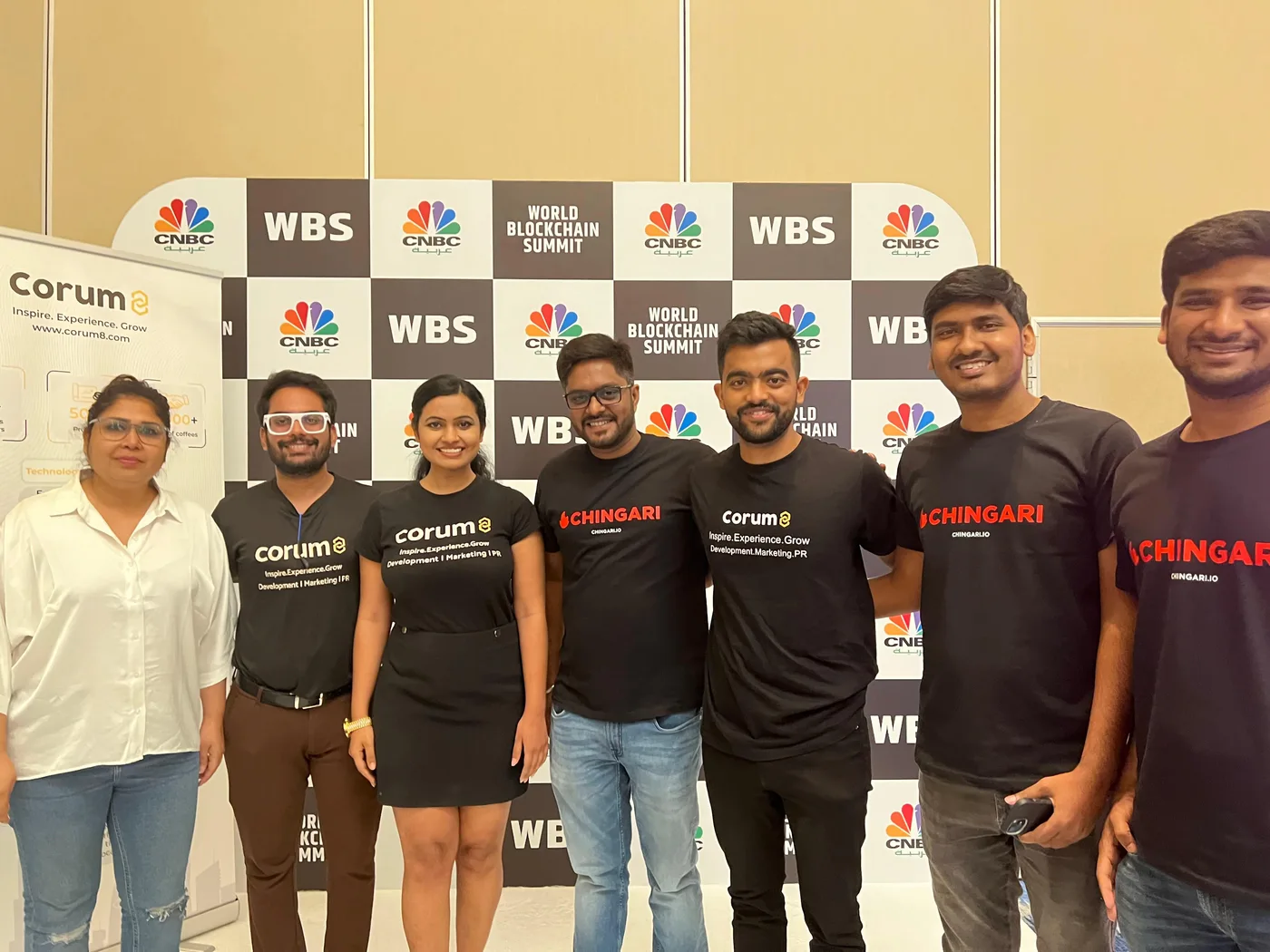
We architect and staff them - Telegram and Discord structure, regional moderation in the hours your holders are actually awake, anti-scam operations, governance support, content cadence and the reporting on how the room behaves over time. We have run community programmes for token launches since 2016, with 95+ specialists across community, PR, creator and engineering work.