
Influencer marketing in crypto has a bad reputation it mostly earned. Paid shills, bought followers, tokens dumped on the audience within hours. All of that is real and all of it still happens.
It’s also, done properly, one of the fastest ways to put a project in front of the right hundred thousand people. Both things are true.
The difference between the two outcomes is almost never budget. It’s selection, structure and timing.
What KOL marketing actually buys
You’re renting trust. That’s it. Someone spent years building an audience that listens to them, and you’re borrowing thirty seconds of that credibility.
Which means two things follow. First, the creator’s audience has to overlap with your buyers — not vaguely, specifically. Second, whatever you’re asking them to endorse has to survive contact with a skeptical viewer, because the creator’s audience is the one that pays if it doesn’t.
A KOL campaign is a spike, not a system. It puts a lot of eyes on you at once. What happens after depends entirely on what you built for them to land on.
Signals it’s worth doing
You have a dated moment. A TGE, a listing, a mainnet launch, a presale close. KOL spend concentrated around a date works. Spread thin across a quiet quarter, it evaporates.
Your product is genuinely understandable in 60 seconds. If a creator can’t explain it clearly, their audience won’t get it either, and the post will underperform no matter who’s reading the script.
You’re entering a region where you have no presence. This is where KOLs are hardest to replace. A creator in Vietnam, Turkey or the Gulf has local trust that no amount of English-language content buys you.
You’ve got a landing point that converts. A working app, an open sale page, a clear next step. Traffic with nowhere to go is money on fire.
Signals it isn’t
Your product isn’t live and there’s nothing to try.
You’re hoping the campaign creates demand from nothing. It amplifies existing interest — it doesn’t manufacture it.
You can’t measure anything. If you have no attribution, no unique links, no on-chain tracking, you’ll finish the campaign unable to say whether it worked. That’s a reporting problem you fix before you spend, not after.
Your token is thinly traded and the campaign is designed to move price. That’s a different activity with different legal exposure, and we don’t do it.
The three failure modes
Buying reach instead of relevance. A creator with 800,000 followers who talks about memecoins is a poor fit for an institutional RWA platform, no matter how good the rate looks. Audience overlap beats audience size every time, and it’s not close.
Paying in tokens without vesting. Creators paid in an unvested token frequently sell into the very campaign they’re running. Your marketing spend becomes sell pressure. If a creator won’t accept vesting, you’ve learned what you needed to know.
Treating it as a one-shot. A single post from a creator who’s never mentioned you before reads as an ad, because it is one. Three touches over a few weeks from the same creator reads as genuine interest. The second structure costs more and works considerably better.
How we vet creators
Screenshots of analytics take ten seconds to fake. We ask for a screen recording of the panel instead.
Beyond that, we look at the shape of the audience rather than its size:
- Comment quality. Do people argue in there? Real audiences disagree. Bought ones post emoji.
- Geographic distribution. Does the follower map match the market the creator claims to reach?
- Variance. Genuine posts perform unevenly. Suspiciously flat engagement across every post is the clearest tell there is.
- What else they’ve promoted. A creator who promoted four failed projects last year brings that history with them, and it attaches to you.
- Whether they’ll take a call. Creators who’ll actually talk to the founder tend to make better content than ones who only accept a brief over Telegram.
Structure that works
Set the deliverable precisely. One post is not a brief. Format, platform, length, link placement, disclosure language, publish window, and how long it stays up.
Use unique tracked links per creator, and where the product is on-chain, tag the referral so you can see wallets, not just clicks.
Concentrate the calendar. Ten creators posting inside a 72-hour window around a real event beats sixty spread across a month.
Require disclosure. Paid promotion needs labelling in most major markets, and financial promotion rules in the UK and EU reach further than most creators assume. Regulators have gone after both sides of these deals. Put the disclosure requirement in the contract.
Plan the day after. The spike is the easy part. Where does the traffic land, who answers their questions, and what do you want them to do next?
What drives the cost
Rates vary more in this category than almost any other, and the drivers are:
- Tier and audience size, obviously — but the premium for the top tier is steep and often not worth it.
- Region. Rates differ enormously between markets, and a mid-tier creator in a high-intent region often outperforms a large one in a saturated one.
- Format. A dedicated video costs multiples of a repost. It also works multiples better.
- Exclusivity. Asking a creator not to promote a competitor for a period costs real money.
- Whether you need content rights. Reusing a creator’s video in your own paid campaigns is a separate licence and worth negotiating up front.
Where this sits in a real plan
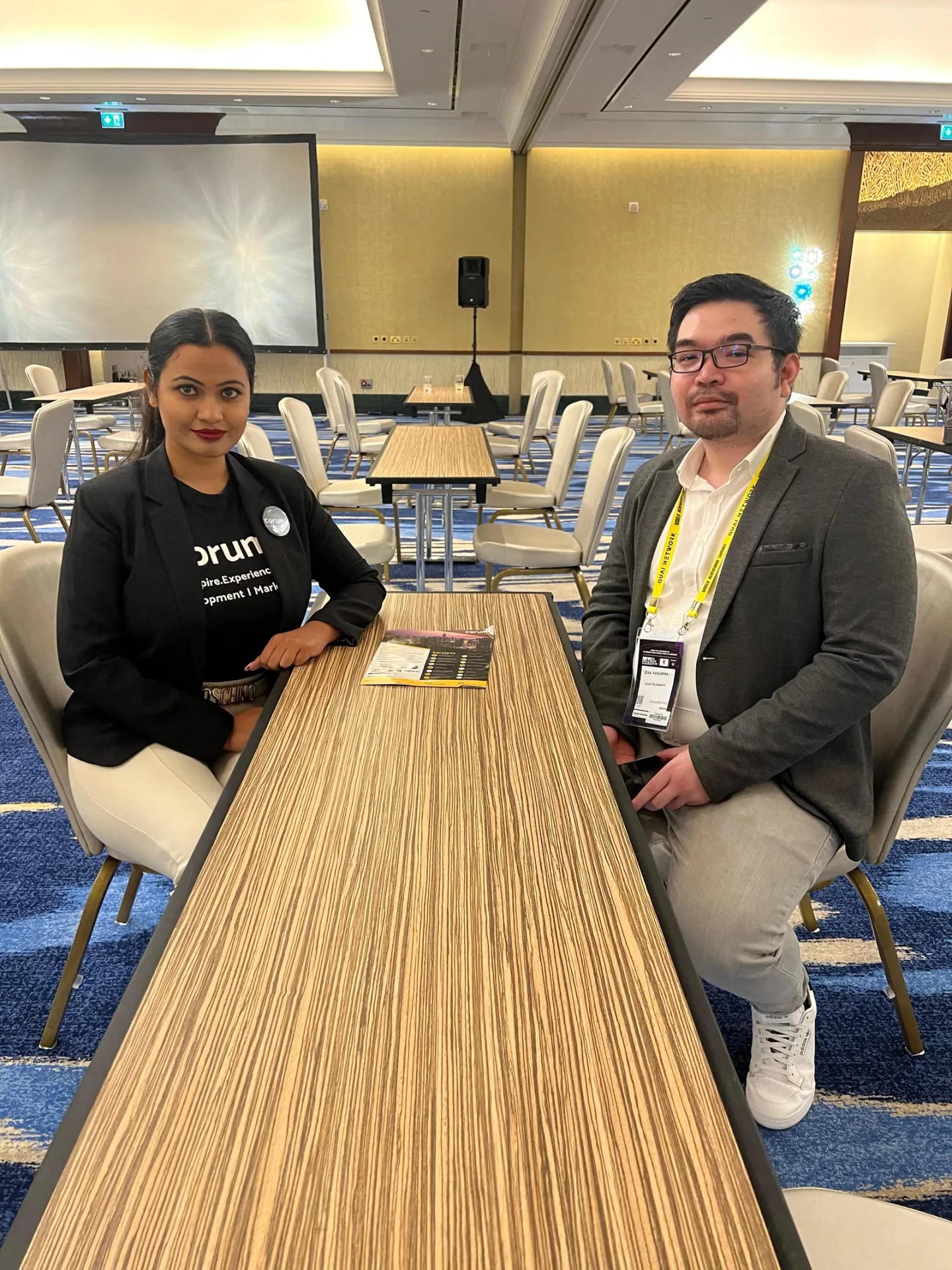
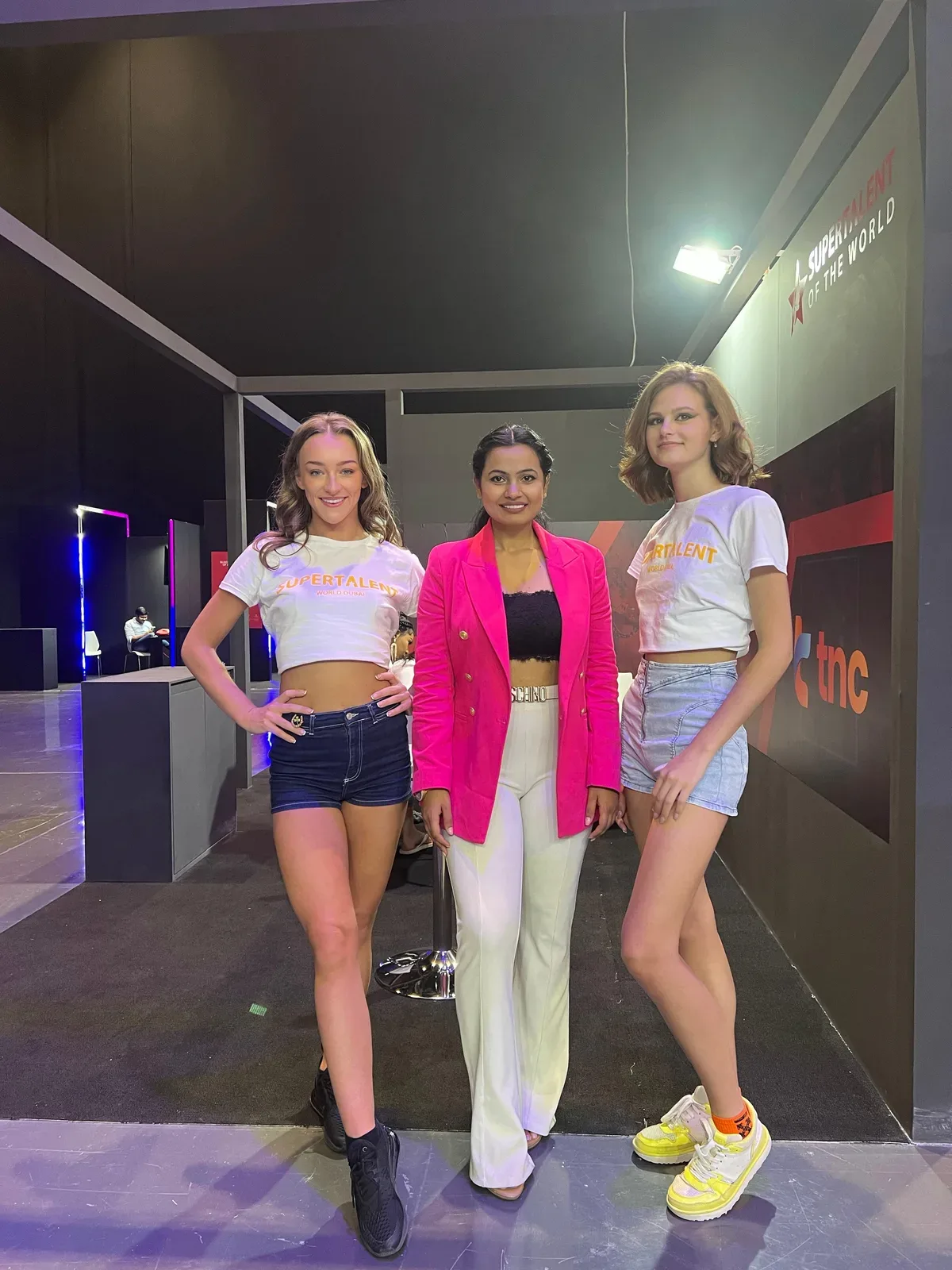
KOL work does its best work attached to something else. Around Ubuntu Tribe’s presence at Token2049 Dubai, creator activation ran alongside press and live community moments, all inside the same window — because a spike is far more useful when there’s a reason for it.
Run KOLs alone, with no press, no community and no product to land on, and you get a busy week followed by silence. Run them as the amplifier on a real moment, and they’re one of the sharpest tools available in this market.
Common questions
How do you spot a crypto KOL with fake engagement?
Check the shape of the audience, not the size of it. Real accounts have comment sections where people argue, followers spread across timezones that match the stated market, and view counts that vary between posts. Bought audiences show flat engagement rates across every post, comments that are all emoji or one-word praise, and follower graphs with vertical steps. Ask for a screen recording of the analytics panel rather than a screenshot, which takes ten seconds to fake.
Should you pay KOLs in cash or tokens?
Cash for reach, tokens only for people who would hold them anyway. Token-paid creators frequently sell into the campaign they are promoting, which means your marketing spend becomes sell pressure at the exact moment you need support. If you do pay in tokens, vest them. A creator unwilling to accept a vesting schedule is telling you their plan.
What does a KOL campaign realistically do for a project?
It buys attention from an audience that already trusts someone else, at a moment when you need a lot of people to look at once. That is genuinely valuable around a launch, a listing or a raise. It does not build a community, fix a weak product, or create sustained demand. Treat it as a spike, plan for the day after, and have somewhere for the traffic to land.
How many KOLs should a campaign use?
Fewer than most proposals suggest. Ten creators whose audiences genuinely overlap with your buyers outperform sixty who happen to be available, and the campaign is far easier to measure. Concentration also makes each creator more accountable, because their post is visible rather than lost in a wall of identical content posted the same hour.
Do disclosure rules apply to crypto influencer marketing?
Yes, and enforcement has tightened. Paid promotion needs clear disclosure in most major markets, and financial promotion rules in the UK and EU reach further than many creators realise. Regulators have acted against both promoters and the projects that hired them. Build disclosure into the brief rather than hoping the creator handles it.