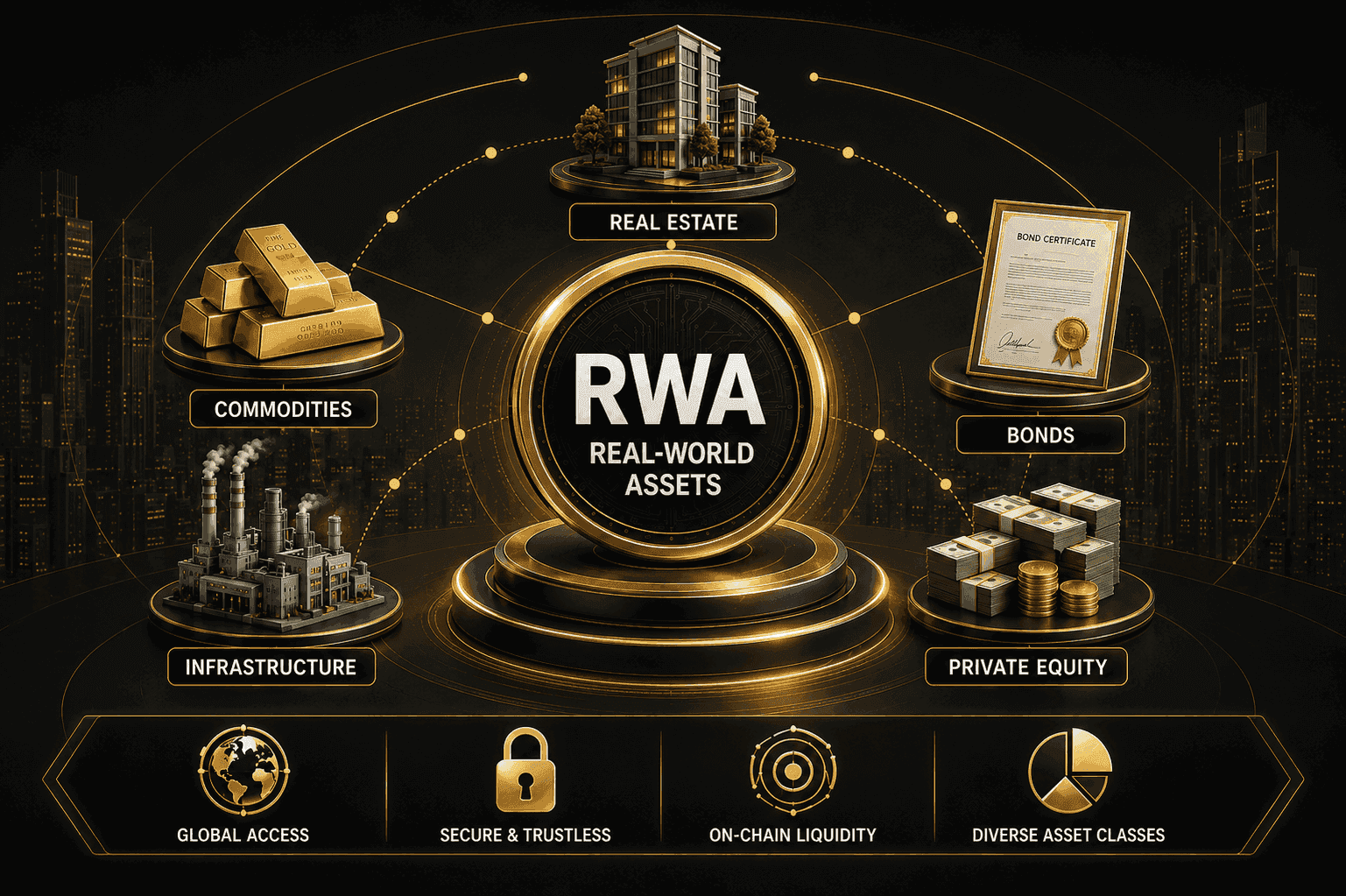

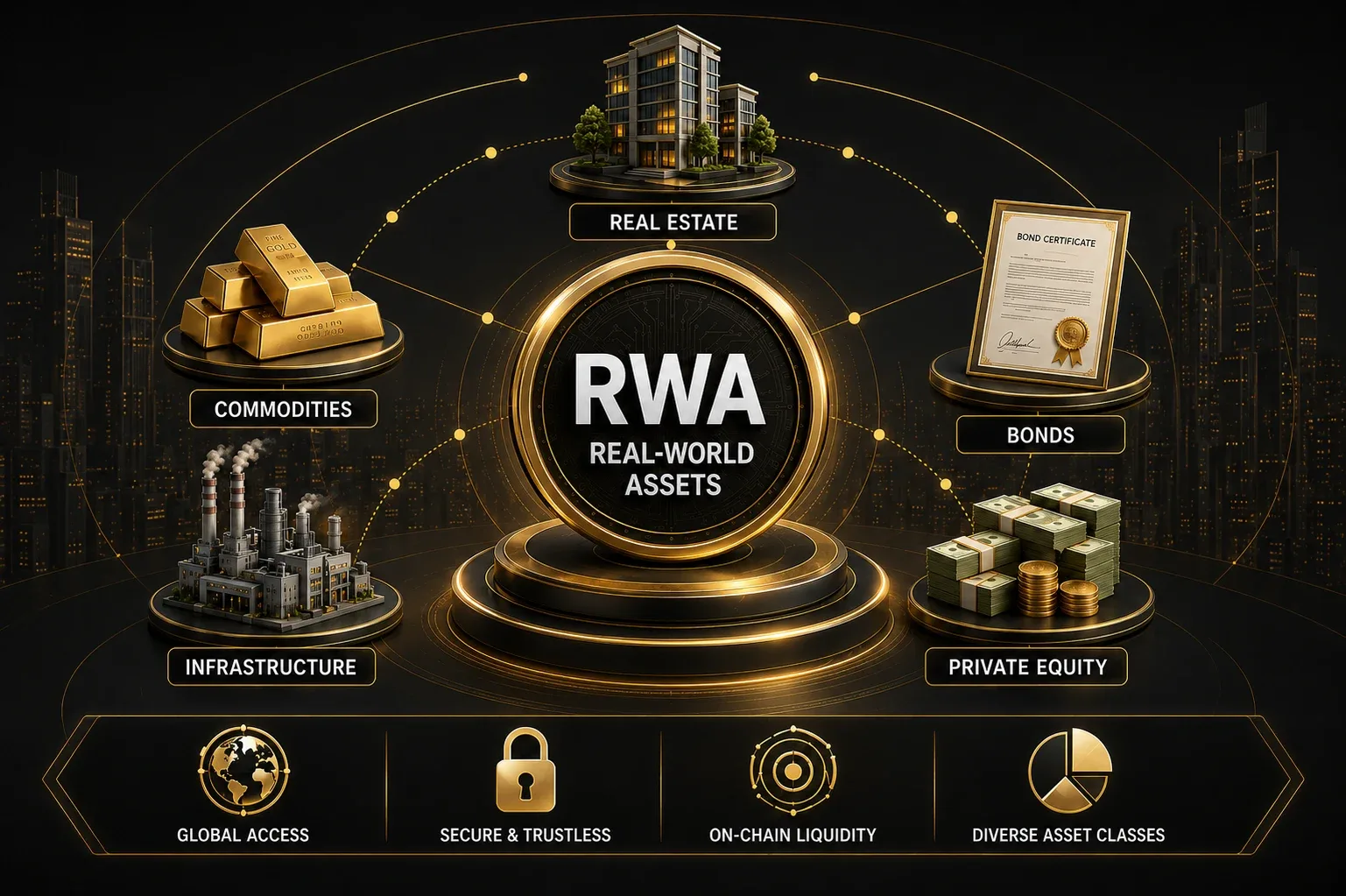
The phrase suggests a building on a blockchain. That is not what happens and the difference matters enormously.
A legal entity owns the property. That entity issues tokens representing an interest in it. The token is a claim, and the claim is only as good as the structure standing behind it.
The structure comes first
A vehicle is established to hold the asset. Investors hold interests in the vehicle. Tokens represent those interests, recorded on-chain rather than in a spreadsheet held by an administrator.
The smart contract does not create ownership. It records and enforces it, within rules the offering documents set.
This ordering is the whole discipline. Your counsel defines who can hold, how it transfers, what is disclosed, and what happens at exit. We build exactly that into the contract. We do not advise on any of it.
What genuinely improves
Access. A building with a high minimum becomes accessible to people who could never have participated at that ticket size.
Distributions. Rental income splits across holders automatically, per the waterfall, with withholding handled per holder. This replaces a spreadsheet, a batch of payments and a week of someone’s month — and it is the benefit issuers underestimate most consistently before seeing it run.
The register. Who owns what, reconciled continuously against on-chain state rather than maintained by hand and reconciled quarterly.
Secondary liquidity, within the transfer rules, where none previously existed.
What does not improve
Worth being blunt, because this category attracts overclaiming.
Tokenization does not make the property more valuable, the rent more reliable, or the asset more liquid than the underlying market supports. If nobody wants the building, tokenizing it produces a token nobody wants.
The strongest platforms we have built started from allocators who already wanted the asset and could not easily access it. Demand first, structure second.
Transfer restrictions are the contract’s real job
Most tokenized property cannot trade freely, and the restrictions are not optional extras.
Who can hold, how many holders are permitted, minimum holding periods, jurisdictional limits — these come from the offering terms and become transfer hooks, whitelists and holder caps written into the contract at deployment.
They cannot be adjusted afterwards. That is why the legal conversation has to happen before the architecture, and why a platform built before those answers exist gets rebuilt.
Distributions and the waterfall
Rental income rarely splits evenly. There are management fees, reserves, preferred returns, promote structures, and different treatment for different classes.
All of it has to be expressed in contract logic, exactly as the documents describe. This is where most of the engineering effort actually goes, and where errors are most expensive, because a distribution error is money moving wrongly to real people.
Corporate actions matter too: capital calls, refinancing, a major repair reducing a quarter’s distribution. The system needs to handle these as designed events rather than manual interventions.
Valuation and reporting
Property is not marked continuously. Valuations are periodic and produced by a third party.
The platform needs to hold and display those, reconcile them against the register, and produce reporting exports investors and administrators can actually use. Pointing a holder at a block explorer is not a report.
Exit
Decided in the structure before anything is built, because the contract has to implement it.
A defined majority vote to sell. A fixed term after which the asset is sold and proceeds distributed. A sponsor right under specified conditions. Whichever it is, the distribution logic has to handle a final liquidating payment correctly — and that path deserves as much testing as the routine quarterly one, despite running once.
Common questions
How does real estate tokenization work?
A legal entity owns the property and issues tokens representing an interest in that entity. The building itself never goes on-chain. The token is a claim enforced by the legal structure, and the smart contract enforces who can hold and transfer it. Both have to say exactly the same thing, which is the part that takes the most care.
What are the benefits of tokenizing property?
Fractional access to assets with a high minimum, automated distribution of rental income to holders, a secondary market where one did not exist, and a register that reconciles continuously rather than being maintained by hand. The administrative saving on distributions and register maintenance is the benefit issuers consistently underestimate before they see it running.
Can tokenized real estate be traded freely?
Usually not. Tokens representing an interest in a property-owning entity typically carry transfer restrictions set by the offering terms - who can hold, how many, and under what conditions. Those restrictions are written into the contract at deployment. Secondary trading happens through venues that can honour them, not on open AMM pools that cannot.
What happens if the property needs to be sold?
Whatever the governing documents say, which is a question settled in the legal structure long before the contract is written. Common approaches are a defined majority vote among holders, a fixed term after which the asset is sold and proceeds distributed, or a sponsor right to sell under specified conditions. This has to be decided up front because the distribution logic has to implement it.
Does Corum8 build real estate tokenization platforms?
Yes. We build the issuance contracts, investor onboarding, subscription and settlement, rental distribution and waterfall logic, secondary matching and the reporting exports. The legal structuring and the property itself stay with your counsel and your asset manager - we wire to their work.